In recent years, we’ve seen a significant shift towards more sustainable and health-conscious options in period care. Among these innovative solutions, period cups have emerged as a popular choice for many. But what exactly makes them such an appealing option, and why are more people considering them over the traditional pads and tampons? Let’s delve into this growing trend and explore why you might want to consider making the switch.
What Are Period Cups?
Period cups, also known as menstrual cups, are flexible cups made of medical-grade silicone or similar materials. They are designed to be inserted into the vagina to collect menstrual fluid, rather than absorb it. One of the remarkable aspects of period cups is their reusability, which not only helps reduce waste but also provides a cost-effective solution over time.
Benefits of Using Period Cups
- Environmental Impact: By switching to period cups, you contribute to lessening the landfill waste associated with disposable menstrual products. A single cup can last several years with proper care.
- Cost-Effective: Although the upfront cost of a period cup might be higher, the investment pays off over time as you won’t need to regularly purchase pads or tampons.
- Health Considerations: Period cups hold more fluid than tampons, which means less frequent changes and longer wear times. They also eliminate the risk of toxic shock syndrome associated with tampons.
- Comfort and Convenience: Many users find period cups to be more comfortable than other period care options. They can be worn during all kinds of activities, including swimming and exercising.
Your Period Cup Options
At MomDaughts, we offer a variety of period cups designed to meet different needs. Here are some options you might consider:
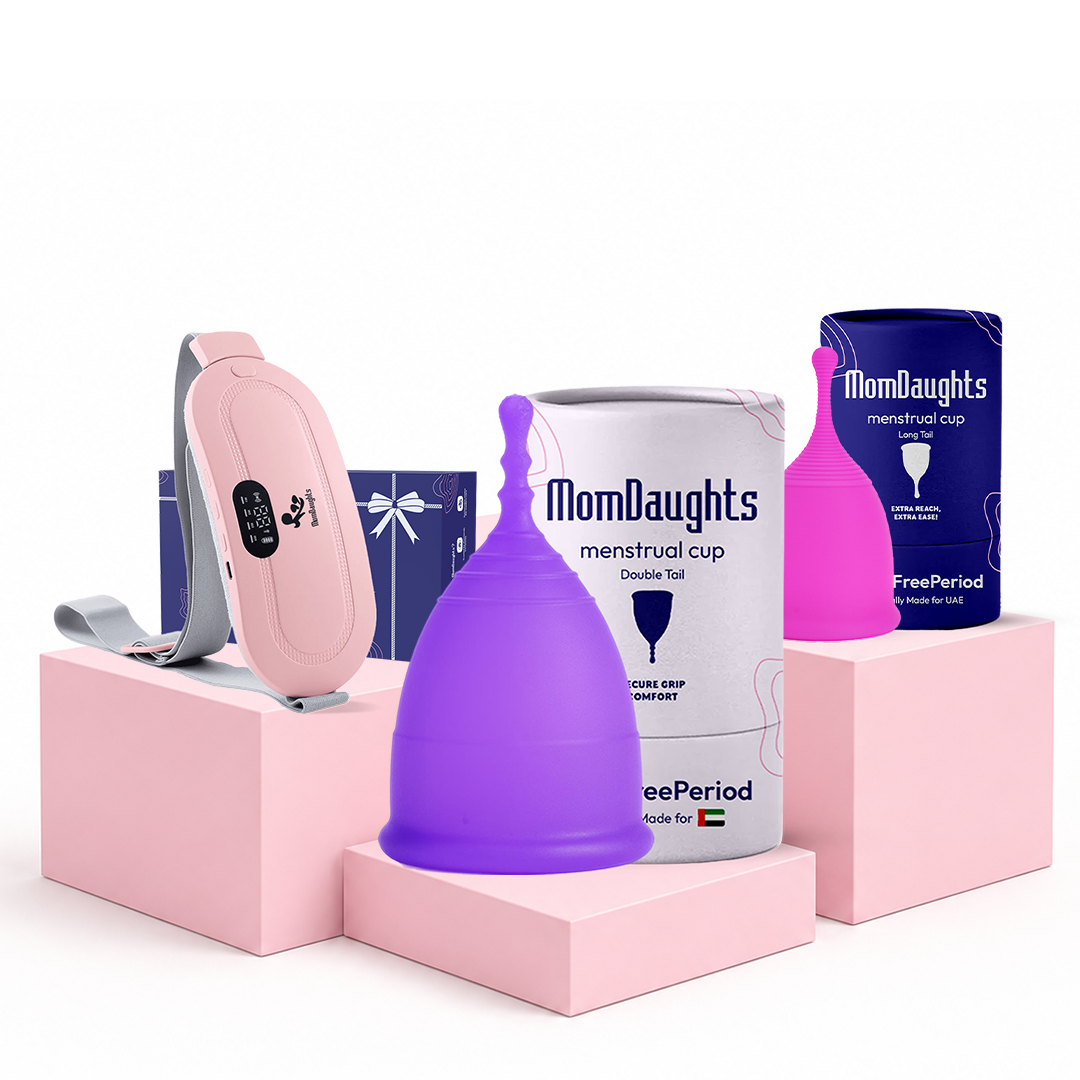
- MomDaughts' Double Tail Menstrual Cup: This option provides an easy grip for removal, ensuring a hassle-free experience.
- MomDaughts' Short Tailed Menstrual Cup: Ideal for those who prefer a more compact design without compromising on capacity or comfort.
If you're looking to explore our full range of period care products, including menstrual discs and cups, check out The Menstrual Collection for more options tailored to your specific needs.
Tips for First-Time Users
- Practice Makes Perfect: It may take a few cycles to get the hang of inserting and removing the cup comfortably and securely.
- Cleaning and Maintenance: Always keep your cup clean. Typically, washing with a gentle, fragrance-free soap and boiling in water between cycles works well for sterilization.
Conclusion
Switching to a period cup is a personal decision and it’s essential to find what works best for your body and lifestyle. For those who choose to make the switch, there's an opportunity to embrace a more sustainable, economical, and potentially more comfortable option within period care. Ready to give it a try? Explore more at MomDaughts.
Remember, every small change counts when it comes to taking care of yourself and the environment. Period care is evolving, and period cups might just be the future we’ve been waiting for.