Overview
Menstrual cups are a sustainable, cost-effective alternative to traditional period products, offering comfort and convenience. Their history dates back to the 1930s, but they gained popularity in the late 1990s due to environmental awareness. These reusable cups reduce waste and are made from body-safe materials. Despite some misconceptions, the cultural acceptance of menstrual cups is growing, and they come in various styles to suit all women. Transitioning to a menstrual cup may require practice, but the benefits make it a worthwhile choice for managing menstruation.
Table of Contents
- What Are Menstrual Cups?
- A Brief History of Menstrual Cups
- Early Innovations
- The 1960s and 1970s: A Growing Awareness
- The Resurgence of Menstrual Cups
- Modern Advancements
- Benefits of Utilizing Menstrual Cups
- Menstrual Cups Today
- Menstrual Cup for Beginners: Getting Started
- The Cultural Shift Towards Acceptance
- Challenges Still Ahead
- Future of Menstrual Cups
- Time to Make the Switch!
Frequently Asked Questions
1. What are menstrual cups?
2. When were menstrual cups first invented?
3. What are the benefits of using menstrual cups?
4. How can beginners get started with menstrual cups?
5. What does the future hold for menstrual cups?
Menstrual cups have emerged as a game-changer for women around the globe, offering a sustainable, convenient, and cost-effective alternative to traditional menstrual products. This article takes you through the fascinating history of menstrual cups, from their early inception to their present-day popularity. Learn how these innovative devices have changed the landscape of menstrual health and why they are the perfect choice for women seeking a better period experience.
What Are Menstrual Cups?
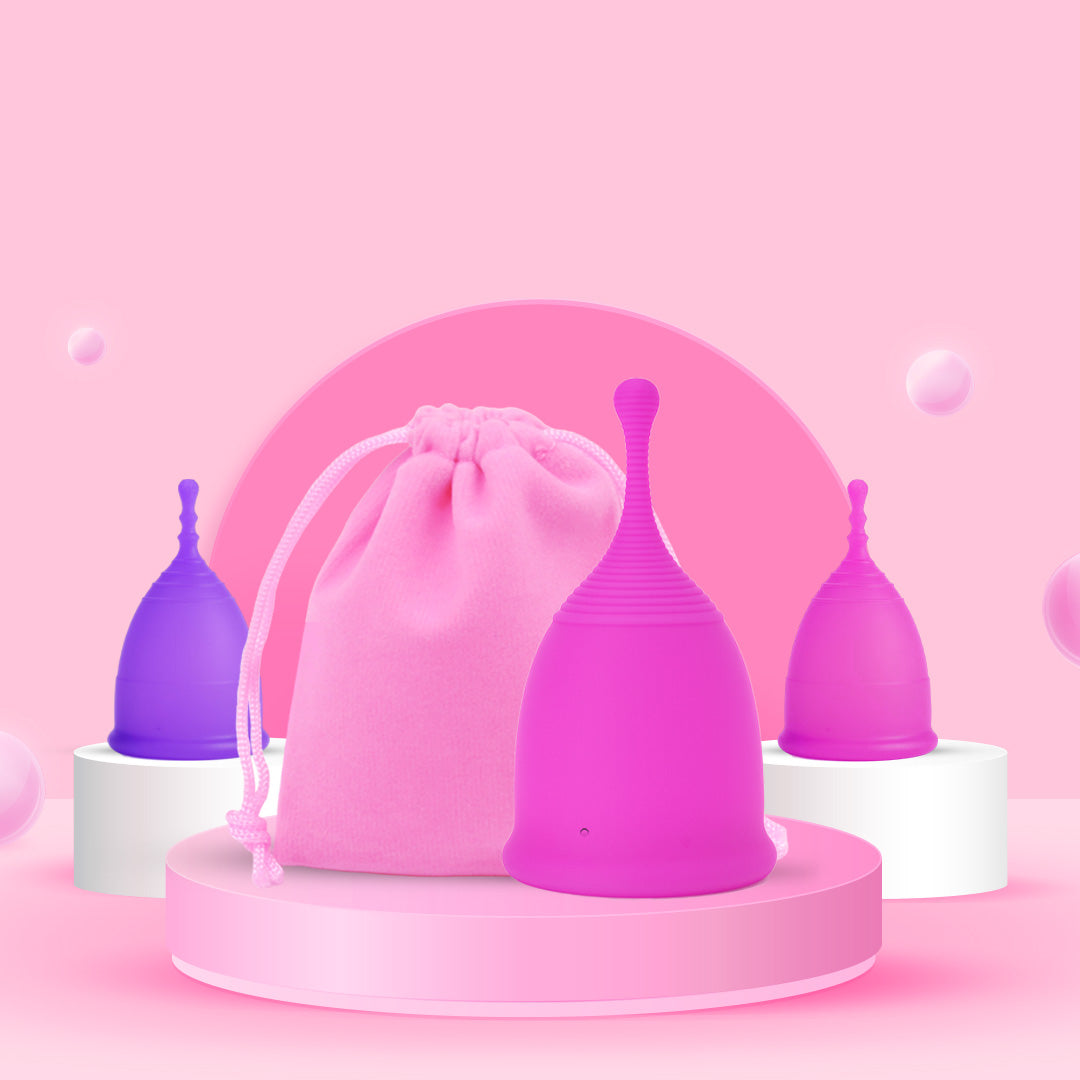
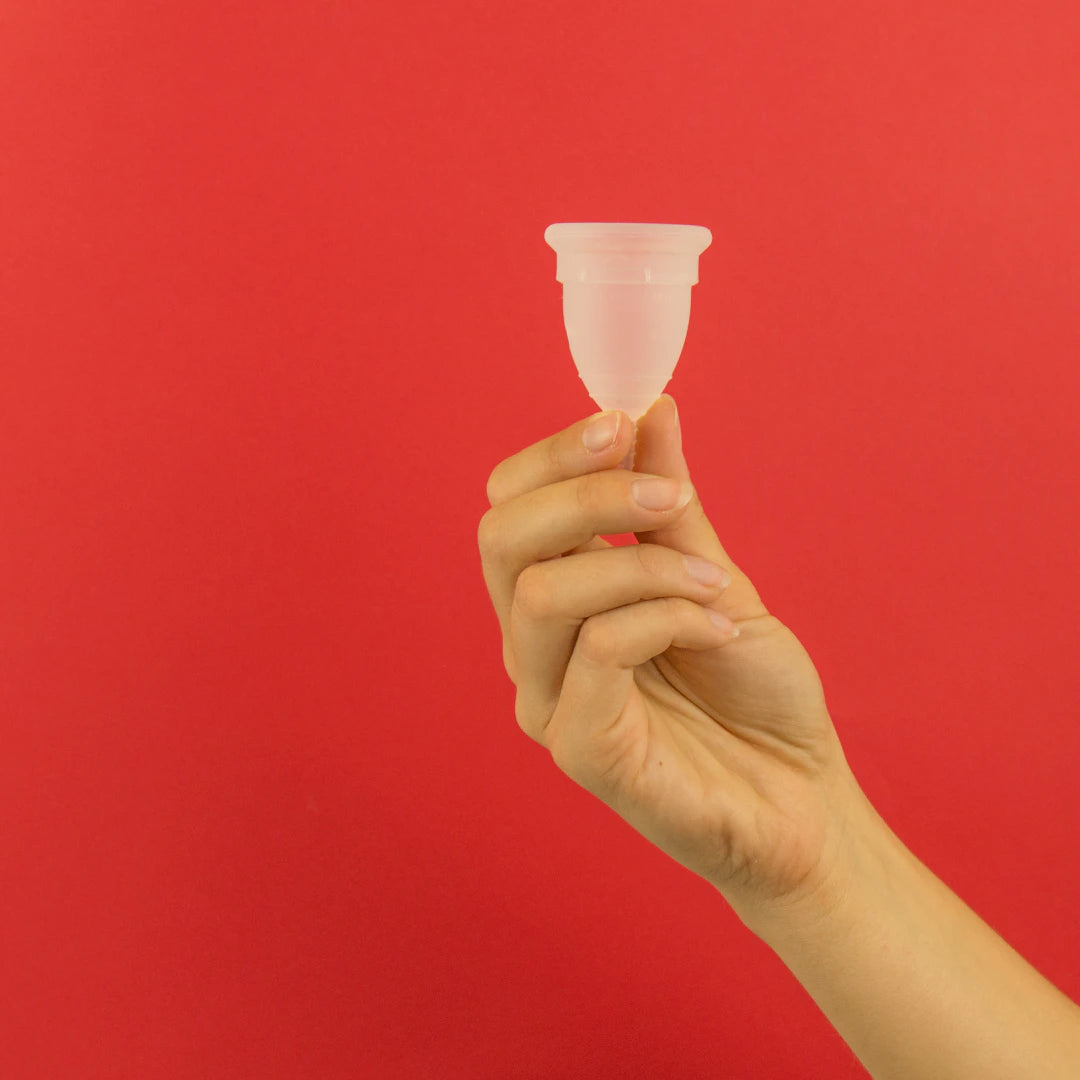
Menstrual cups are flexible containers worn internally to collect menstrual fluid. Made from medical-grade silicone, rubber, or thermoplastic elastomer (TPE), these period cups are designed to be reusable, reducing waste and promoting environmental sustainability. Unlike pads or tampons, which absorb menstrual blood, menstrual cups collect it, allowing for a more hygienic and comfortable experience.
A Brief History of Menstrual Cups
Early Innovations
The concept of menstrual collection devices is not new. In fact, the first menstrual cup was patented in the 1930s. However, women have been using various methods to manage their menstrual flow for centuries. From cloths to sponges and even animal products, the search for a better solution has always existed.
The earliest known menstrual cup, known as the "Tampax Cup," was developed by Leona Chalmers in 1932. It was a hard plastic cup designed to be inserted into the vagina, and while its design was innovative, it did not gain widespread popularity because of the cultural taboos surrounding menstruation at the time.
The 1960s and 1970s: A Growing Awareness
The feminist movement in the 1960s and 70s prompted a renewed interest in products designed specifically for women's health, including menstrual cups. In 1963, the "Instead" Softcup was introduced, made from a softer, more flexible material. This helped to address some comfort issues associated with earlier designs. However, despite advancements, menstrual cups remained on the fringes of women's health products.
The Resurgence of Menstrual Cups
Modern Advancements
The resurgence of menstrual cups occurred in the late 1990s and early 2000s, gaining traction as more women became environmentally conscious. The rise of the Internet allowed for better information dissemination, and women began to share their experiences and benefits of using period cups. This grassroots effort created a community that fostered acceptance and encouraged more women to consider menstrual cups, especially those seeking a menstrual cup for beginners.
Benefits of Utilizing Menstrual Cups
As the popularity of menstrual cups increased, so did the understanding of their benefits. Here are some key advantages that attracted women to this innovative product:
- Cost-Effectiveness: Although the upfront cost of a menstrual cup may be higher than a box of tampons or pads, they are reusable for years with proper care, making them a more budget-friendly option.
- Environmental Impact: By using a menstrual cup, women significantly reduce the waste created by disposable products, thus contributing to environmental sustainability.
- Comfort and Convenience: Most users find menstrual cups to be comfortable and can wear them for up to 12 hours without needing to empty them, providing greater freedom and less hassle during menstruation.
- Health Benefits: Unlike some disposable products that contain chemicals or fragrances, menstrual cups are typically made of body-safe materials, reducing the risk of irritation or allergic reactions.
Menstrual Cups Today
Today, menstrual cups come in various styles, colors, and sizes to accommodate women of all ages and body types. This wide variety allows women to find the right fit, making it even easier for beginners to try using a menstrual cup. Many brands now offer starter kits with multiple sizes and instructional guides, easing the transition for those new to period cups.
Menstrual Cup for Beginners: Getting Started
If you're considering switching to a menstrual cup, here are some tips for beginners:
- Research Different Options: There are many brands and styles available. Read reviews and compare features to find the best fit for you.
- Right Size Matters: Consider factors such as age, menstrual flow, and whether you’ve given birth vaginally when selecting a size.
- Practice Insertion and Removal: It may take some time to get used to inserting and removing the cup. Practice at home to build confidence.
- Follow Care Instructions: Proper cleaning and storage of the cup are essential for maintaining hygiene and ensuring longevity.
The Cultural Shift Towards Acceptance
As menstruation becomes a more openly discussed topic, the stigma surrounding period products continues to decline. Social media has played a significant role in this cultural shift, with influencers and celebrities sharing their menstrual cup experiences, normalizing the conversation around menstrual health. The visibility of menstrual cups has allowed more women to understand their options and feel empowered to make choices that suit their personal needs best.
Challenges Still Ahead
Despite the progress made, challenges remain regarding the widespread acceptance of menstrual cups. Some misconceptions persist, such as worries about leaks or difficulty using the cup. Educational initiatives can help address these concerns and provide valuable information on how to successfully use menstrual cups.
Future of Menstrual Cups
As innovations continue, manufacturers are focusing on improving design, comfort, and accessibility. The future may see even more advancements, including biodegradable options or even menstrual cups with features that allow for smarter usage tracking, aligning with the rise of health-tech products.
The increasing awareness surrounding menstrual cups—and menstruation in general—points to a future where these revolutionary products become mainstream, furthering the push for women’s health equity and sustainability.
Time to Make the Switch!
So, if you’re looking to enhance your menstrual experience, reduce waste, and save money, it might be time to give menstrual cups a try. With their long-standing history and modern advancements, menstrual cups are truly a revolutionary change in menstrual health, making them an excellent choice for women at all stages of life. Embrace the change, empower yourself, and experience a new way to manage your period!
Remember, transitioning to a menstrual cup for beginners may come with a learning curve, but the benefits outweigh the initial challenges. Join the growing community of women championing themselves and the planet with every cycle!
Glossary
| Term | Meaning |
|---|---|
| Menstrual Cup | A flexible container worn internally to collect menstrual fluid. |
| Reusable | Products designed to be used multiple times, reducing waste. |
| Medical-grade Silicone | Safe material used in menstrual cups to prevent irritation. |
| Comfort | The feeling of ease and lack of discomfort while using a product. |
| Environmental Sustainability | Practices that reduce waste and promote ecological balance. |
| Feminist Movement | A social movement advocating for women's rights and health. |
| Starter Kits | Beginner packages that include multiple sizes and guides. |
| Insertion and Removal | The process of placing and taking out the menstrual cup. |
| Cultural Shift | A change in societal attitudes towards menstruation and related products. |
| Health-Tech Products | Innovative devices that monitor and enhance health experiences. |
Linked Product

MomDaughts Double tail Menstrual Cup
The MomDaughts Double Tail Menstrual Cup features a unique design that simplifies removal, making it ideal for beginners and those with a high cervix. Offering up to 12 hours of leak protection, this reusable cup is crafted from FDA-compliant medical grade silicone and is available in both small and large sizes. With a lifespan of up to 10 years, it provides a practical and sustainable option for menstrual health.
View Product