Period Talk | Menstrual Health, Tips & Real Stories – MomDaughts

Collapsible Menstrual Cup: Pakistan's Softest Cup for Beginners and Sensitive Users
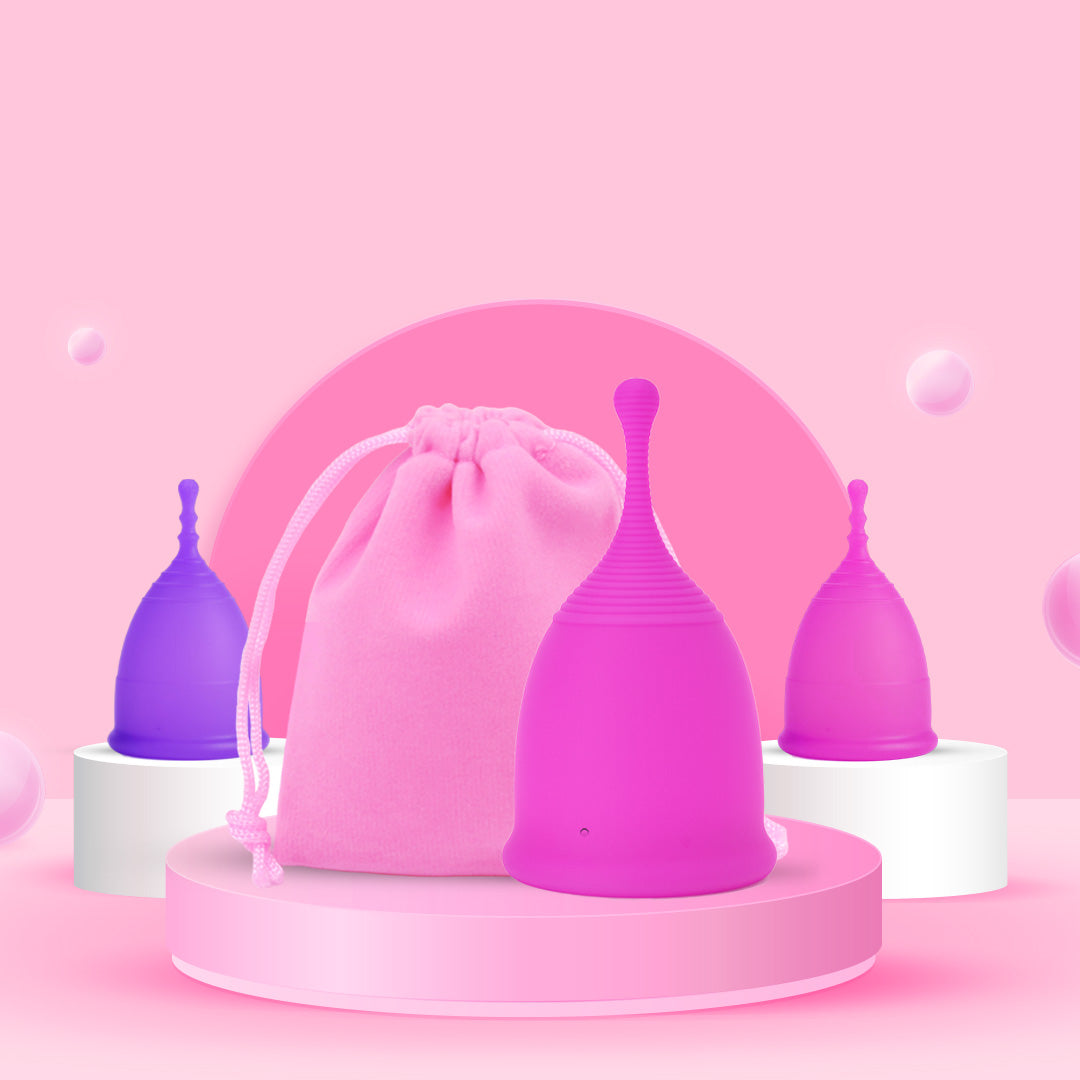
We have seen women who tried a firm menstrual cup once, found it uncomfortable, and concluded that all cups feel the same. They do not. The Collapsible Cup is made from ultra-soft silicone that is noticeably gentler than standard cups, collapses flat for travel, and comes with its own storage case that fits in any bag. It is the cup most recommended for first-time users and anyone whose body responds better to a softer feel. What the Collapsible Menstrual Cup Is The MomDaughts Collapsible Menstrual Cup is a menstrual cup made from ultra-soft, medical-grade silicone. Its defining feature is its collapsible design: unlike standard bell-shaped cups, this cup can be compressed completely flat, making it the most compact cup in the MomDaughts range when stored. It comes with a cute, compact carry case that it folds into for storage and travel. The case itself is small enough to fit in a pocket, school bag, or handbag without detection, making it the most discreet period product option in the range. Like all MomDaughts cups, it provides up to 12 hours of leakproof protection, is reusable for years, and is free from BPA, dyes, and irritating chemicals. Available in Small and Large sizes. Why Ultra-Soft Silicone Makes a Difference Standard menstrual cups have a medium to firm silicone that holds its bell shape and pops open reliably after insertion. This works well for most users but can feel too rigid for women with a sensitive bladder, pelvic floor sensitivity, or those who are simply not comfortable with a firmer internal product. Ultra-soft silicone is noticeably more pliable. It compresses more easily during insertion, feels less firm against the vaginal walls during wear, and flexes with body movement rather than holding a fixed shape against tissue. The trade-off with soft silicone cups is that they can be slightly harder to get to open fully during insertion because the material does not pop into shape with the same spring as firmer cups. The punchdown fold works best with the Collapsible Cup because it creates a smaller insertion profile and tends to open more reliably than the C-fold for soft silicone. Who the Collapsible Cup Is Best For First-time cup users who are nervous about discomfort. The softest cup in the range reduces the sensation of insertion and wear that concerns many beginners. Women who expect cups to feel like tampons are often surprised by how little they notice the Collapsible Cup once it is correctly positioned. Teens and young women. The XS and Small sizes combined with the soft silicone and compact case make this the most practical first cup for younger users. The case also provides privacy during school hours. Women with bladder sensitivity. A firmer cup pressing against the vaginal walls can sometimes create mild bladder pressure in sensitive users. Soft silicone flexes rather than pressing, significantly reducing this effect. Women who travel frequently. The collapsible design and compact case make this the most travel-friendly cup available. It takes up virtually no space and can be stored and accessed discreetly anywhere. Women who prioritize discretion. The carry case is neutral in appearance and small enough to pass as a cosmetics case. Women who are not comfortable with others knowing they use a menstrual cup appreciate this. The Challenge With Soft Cups: Opening Reliably The most common issue reported with soft collapsible cups is that the silicone does not always spring open fully after insertion, which can cause leaking. This is not a product defect. It is a technique question. For soft cups, the punchdown fold works better than the C-fold. The punchdown creates a tighter, narrower shape on insertion. Once inside, the compressed air pocket helps force the cup open more reliably than the C-fold, which releases pressure more gradually. After insertion, run a finger around the outside of the cup to check it has opened into a full circle. If any part feels dented or collapsed, press the vaginal wall away from the cup gently on that side to allow air to push it open. Care and Sterilization During the cycle: rinse with cool water and mild fragrance-free soap after each use. At end of cycle: sterilize in the Collapsible Sterilizer Cup on stovetop or microwave for 3 to 5 minutes. Air dry completely before storing in the carry case. Do not store the cup in the case while damp, and do not seal it in an airtight container. Store in a cool, dry place away from direct sunlight. At MomDaughts, we believe the softest option is often the best starting point. Confidence in every cycle.
Learn more
Short Tail Menstrual Cup: What It Is and Who It's Best For (Low Cervix Guide)
We have seen women switch to the Short Tail cup after months of discomfort with other cups, immediately notice the difference, and wonder why nobody explained cervix height to them before their first purchase. Menstrual cups are not one-size-fits-all devices. Cervix height is a real anatomical variable that determines which cup will sit correctly and which will cause problems. This article explains what the Short Tail cup is, who needs it, and how to know if it is the right choice for your anatomy. What the Short Tail Menstrual Cup Is The MomDaughts Short Tail Menstrual Cup is a medical-grade silicone menstrual cup designed specifically for women with a low cervix. It is identical in function to other menstrual cups but shorter in total body length, with a compact stem designed to sit entirely within the vaginal canal without protruding or causing irritation. It collects menstrual flow internally for up to 12 hours, forms a suction seal against the vaginal walls to prevent leaks, and is reusable for up to 10 years. It is available in three sizes: XS (Extra Small), Small, and Large, and is BPA-free, hypoallergenic, and free from dyes and harsh chemicals. What Cervix Height Means and Why It Matters The cervix is the lower part of the uterus that extends into the vaginal canal. Its position varies between women and can also change during a menstrual cycle, sitting lower during menstruation than at other times. Women with a low cervix have less space between the vaginal opening and the cervix. This means a full-length menstrual cup may not fit comfortably: it can press against the cervix, cause a feeling of pressure or fullness, or sit with the stem protruding outside the body even when the cup itself is correctly positioned. A shorter cup solves all of these problems. It leaves space between the top of the cup and the cervix, sits entirely within the canal, and allows the shortened stem to remain inside without irritation. How to Check Your Cervix Height You can measure your own cervix height easily during your period when it sits at its lowest. Wash your hands thoroughly. Insert one clean finger into the vaginal canal and feel for the cervix, which has a firm, rounded texture similar to the tip of a nose. Note how far your finger travels before reaching it. If your finger reaches the cervix at or before the first knuckle: You have a very low cervix. The Short Tail XS or Small is likely the right fit. If your finger reaches it between the first and second knuckle: You have a medium cervix. Small or Large Short Tail may work, or a medium-length cup from another variant. If your finger reaches or passes the second knuckle before feeling the cervix: You have a medium to high cervix. The Double Tail or Long Tail cup may suit you better than the Short Tail. The know your size guide on the MomDaughts website walks through this assessment in more detail. Choosing Your Size XS (Extra Small). The Short Tail is one of the only Pakistani menstrual cups available in XS size. This size is designed for teenagers, women who have not been sexually active, and women with lighter flow or very low cervix who find standard Small sizes too large. XS is the recommended starting size for young women using their first internal period product. Small. The standard first-time size for women who have not given birth vaginally. Suitable for light to medium flow and low to medium cervix users. Large. Recommended for women who have given birth vaginally, have a heavier flow, or find that the Small empties too quickly on heavy days. Signs You Need the Short Tail Cup The stem of your current cup protrudes from the body. If you have trimmed the stem of another cup repeatedly and it still sits outside, you need a shorter cup, not just a shorter stem. The Short Tail is designed to sit fully inside for low cervix users. You feel pressure or fullness at the top of the cup during wear. This often means the cup is pressing against a low-positioned cervix. A shorter cup creates clearance between the cup and the cervix. You experience persistent leaking despite a correct seal. If the cup fills and overflows faster than expected, your cervix may be sitting inside the cup rather than above it, reducing its effective capacity. A shorter, wider cup often resolves this. Removal feels difficult even when the cup is positioned correctly. With a low cervix, the cup sits lower and closer to the vaginal opening. The Short Tail's design accounts for this, making it easier to reach and remove without excessive bearing down. How to Use the Short Tail Cup Insertion. Fold the cup using the C-fold (folding the rim in half) or the punchdown fold (pushing one side of the rim into the cup). Hold the fold firmly and insert horizontally, angled toward the tailbone. Release once inside and allow the cup to open fully. Rotate gently at the base to confirm a complete seal. During wear. The Short Tail is designed to sit lower than a standard cup. Confirm that the stem is fully inside the vaginal canal. If any part of the stem protrudes and causes irritation, the cup may need to be inserted slightly more deeply, though for very low cervix users the stem may sit very close to the vaginal opening. Removal. Bear down gently with pelvic muscles to bring the cup toward the vaginal opening. Pinch the base to break suction, then guide the cup out slowly. With a low cervix, the cup is often easier to reach than with standard-length cups, making removal simpler once the suction is released. For first-time users of any cup, the Comfort Kit with its included applicator and Softfit Lubricant makes the learning phase significantly easier. Cup Care Rinse with cool water and mild fragrance-free soap after each removal during your cycle. At the end of your period, sterilize in boiling water using the Collapsible Sterilizer Cup for 3 to 5 minutes. Air dry fully before storing in the breathable pouch provided. At MomDaughts, we believe matching the cup to your anatomy, not choosing at random, is what makes reusable period care work. Confidence in every cycle.
Learn more
Double Tail Menstrual Cup: What It Is and Who Should Use It
We have seen women choose their first menstrual cup based on price or colour and then struggle because they chose the wrong variant for their anatomy. The Double Tail cup exists as a specific solution to a specific set of needs: users who want an easier grip during removal, particularly beginners and women with a higher cervix who need a longer reach. This article explains what makes the Double Tail different, who it suits, and what to expect from it. What the Double Tail Menstrual Cup Is The MomDaughts Double Tail Menstrual Cup is a medical-grade silicone menstrual cup with a double-stem design at the base, rather than the single stem found on most cups. The two flexible stems extend from the base of the cup and provide a wider, more easily located grip point for removal. Like all MomDaughts cups, it is made from soft, BPA-free, hypoallergenic, medical-grade silicone, safe for internal use, and reusable for up to 10 years. It provides up to 12 hours of leakproof wear and is available in Small and Large sizes in Pink, Purple, and Black. The cup functions identically to other menstrual cups in all respects except removal: it collects menstrual flow internally rather than absorbing it, creates a suction-based seal against the vaginal walls, and is emptied, rinsed, and reinserted. The difference is entirely at the removal grip. Why the Double Tail Design Matters Standard menstrual cups have a single stem at the base. During removal, the user breaks the suction by pinching the base, then uses the stem as a guide to pull the cup down and out. For many women, this works well. For others, two issues arise. Difficulty locating the stem. In a relaxed pelvic floor position, the cup can sit higher than expected, particularly for women with a medium or high cervix. A single stem is narrow and can be hard to locate. The double tail's wider design is easier to locate on first contact. Insufficient grip on a single stem. For women new to cups or those with less comfort using their fingers internally, a single narrow stem provides little to hold onto when guiding the cup out. The double tail provides a wider surface area and a more intuitive grip during the descent. The design is particularly beneficial for high cervix users because the extended double tail compensates for the additional depth at which the cup sits, making the reach for removal less demanding than it would be with a short single stem. Who the Double Tail Cup Is For First-time cup users. The dual-stem design reduces one of the most common anxieties about cup use: the fear that you will not be able to get it out. The double tail is easier to locate and easier to hold, making the removal process significantly more intuitive for beginners. Women with a medium or high cervix. If your cervix sits higher than average, standard short-stemmed cups may require more internal reach during removal than is comfortable. The Double Tail's extended design reaches closer to the vaginal opening, reducing the reach required. The Long Tail cup is an alternative for very high cervix users who need the maximum stem length. Women who have tried other cups and found removal difficult. If you have used a cup before and the removal step was the challenge rather than insertion, the Double Tail is likely to improve that experience directly. Women who prefer security during the learning phase. Knowing there is a clear, wide grip point at the base of the cup reduces the anxiety that often accompanies cup use in the first few cycles. The double tail provides that reassurance. Choosing Your Size Small. Recommended for women who have not given birth vaginally, teenagers, and women with a lighter to medium flow. The Small is the standard starting size for most first-time cup users. Large. Recommended for women who have given birth vaginally, women with a heavier flow, and women whose cervix sits at a position that makes the Small feel too short. If you are unsure, consulting the know your size guide before choosing helps significantly. How to Use the Double Tail Cup Insertion. The double tail cup inserts the same way as any other menstrual cup. Wash hands thoroughly. Fold the cup using the C-fold or punchdown fold to reduce its diameter for insertion. Find a comfortable position, sitting on the toilet with knees apart or with one foot on the toilet seat. Insert the folded cup horizontally, pointing toward the tailbone. Once inside, hold the base (not the stems) and rotate the cup gently in a full circle to confirm it has fully opened and formed a seal. The stems should sit comfortably inside the vaginal canal. If they protrude and cause irritation, the cup may not be inserted deep enough. Removal. The double tail's main advantage is in this step. Wash hands. Bear down gently with pelvic muscles to bring the cup lower, toward the vaginal opening. Reach in and locate the double tail stems. The wider design makes this easier than a single stem. Pinch the base of the cup firmly to break the suction seal. Do not pull on the stems alone without first breaking suction. Angle the cup slightly as you guide it down and out to avoid spilling the contents. Empty into the toilet, rinse under running water, and reinsert. Cup Care Basics Rinse the Double Tail cup with cool water and mild fragrance-free soap after each removal during your cycle. At the end of your period, sterilize by boiling for 3 to 5 minutes in the Collapsible Sterilizer Cup or in a clean pot. Allow to air dry completely before storing in the breathable pouch provided. For first-time users who want easier insertion during the learning phase, the Softfit Lubricant applied to the rim of the folded cup reduces friction significantly. Double Tail vs Other Cup Variants Cup Best For Stem Design Double Tail Beginners, high cervix users, removal grip priority Wide dual stem Long Tail Very high cervix users, maximum reach Single long stem Short Tail Low cervix users, minimal protrusion priority Short single stem Collapsible Ultra-sensitive users, travel, extra-soft silicone preference Flat collapsible stem Browse the full menstrual cups collection to compare all variants. The know your size guide helps with size selection before purchase. At MomDaughts, we believe the right cup variant makes all the difference between a period product you love and one you abandoned. Confidence in every cycle.
Learn moreWhat Is the Menstrual Cup Comfort Kit? Applicator + Lubricant Bundle Explained
We have seen women buy a menstrual cup with every intention of making the switch, and then keep it in a drawer for weeks because insertion felt like something they needed help with before they could start. The Menstrual Cup Comfort Kit exists for exactly this situation. It is Pakistan's only locally available menstrual cup applicator, bundled with the Softfit Lubricant, creating a first-timer's starter pack that addresses the two most common barriers to cup use in a single purchase. What the Comfort Kit Contains The MomDaughts Menstrual Cup Comfort Kit contains two products: 1. A Menstrual Cup Applicator. A device that holds the folded cup and guides it to the correct insertion depth, allowing the user to insert the cup without needing to use their fingers directly. This is the only menstrual cup applicator available in Pakistan as a locally sold product. 2. The Softfit Lubricant for Menstrual Cup (50ml). A water-based lubricant specifically formulated for use with menstrual cups, designed to reduce friction during insertion and make the entire process smoother and more comfortable. Together, these two products address the primary reasons first-time cup users give up before completing even one full cycle. Why an Applicator Makes a Difference For women who have used tampons with applicators, the concept is familiar. For women who have never used any internal period product, the idea of finger-guided insertion can feel daunting, particularly when the cup needs to be folded, held in shape, and guided to the correct depth simultaneously. A cup applicator removes all of these variables. It maintains the fold. The folded cup sits inside the applicator barrel, so the user does not need to maintain the fold with their fingers throughout insertion. It guides depth. The applicator is designed to deliver the cup to the appropriate depth, removing the guesswork about how far inside the cup needs to go. It reduces the need for internal finger contact. For women who are uncomfortable with the amount of finger contact required for manual cup insertion, the applicator allows insertion with significantly less direct hand-to-vaginal-wall contact. It reduces learning curve time. Most women who use the applicator for their first few cycles and then transition to manual insertion find the manual process significantly easier because they have already become comfortable with the cup being inside their body. Why the Lubricant Is Included The Softfit Lubricant is included because dry insertion, even with an applicator, can feel resistant and uncomfortable. The lubricant applied to the tip of the applicator and the cup's leading edge dramatically reduces friction and allows the applicator to guide the cup into position with minimal discomfort. The combination of applicator and lubricant is more effective than either alone. The applicator handles positioning and depth; the lubricant handles friction and comfort during the insertion process itself. Who the Comfort Kit Is For First-time cup users. This is the primary audience. The Comfort Kit is designed for women who have bought their first cup and want a guided, comfortable start rather than an immediate learning curve with finger-only insertion. Women who tried a cup and gave up. If the first attempt felt too difficult or uncomfortable, the combination of applicator and lubricant is very likely to change that experience. Many women who abandoned cups on their first attempt succeed immediately with the Comfort Kit. Teenagers starting with a cup. Young women new to internal period products benefit significantly from the applicator's guided insertion approach. The Comfort Kit removes the most intimidating aspects of cup use for first-time users in any age group. Women with pelvic floor tension or anxiety around insertion. The applicator reduces the amount of attention required during insertion, which in turn reduces the pelvic floor tension that often makes insertion harder than it needs to be. Women transitioning from tampons. Tampon users are already comfortable with the concept of insertion. The applicator provides a familiar experience while the lubricant makes the larger cup diameter more manageable than a tampon. How to Use the Comfort Kit Step 1: Prepare the cup. Wash your hands. Fold the cup using your preferred method, the C-fold or punchdown fold both work well with an applicator. Step 2: Load the applicator. Place the folded cup into the applicator barrel with the folded opening facing the direction of insertion. Step 3: Apply lubricant. Apply a small amount of Softfit Lubricant to the tip of the applicator and to the visible portion of the cup. A pea-sized amount is sufficient. Step 4: Find a comfortable position. Sitting on the toilet or with one leg raised on a toilet seat works well for most users. Step 5: Insert the applicator. Guide the applicator horizontally and back toward the tailbone, at a slight downward angle. Insert until the applicator's guide indicator is at the vaginal opening. Step 6: Release the cup. Press the applicator's release mechanism to deliver the cup to the correct depth. Step 7: Check the seal. Reach in and rotate the cup base gently to confirm it has fully opened and formed a seal. If it feels sealed and comfortable, you are done. Step 8: Remove the applicator. Withdraw the applicator while the cup remains in position. The Comfort Kit vs Buying Products Separately The Comfort Kit bundles both essential first-timer products at a combined price that is more practical than sourcing them separately. More importantly, it ensures compatibility: the Softfit Lubricant is confirmed safe for use with MomDaughts cups and the applicator, where individual products sourced separately may not be. For women who already have the Softfit Lubricant separately, the standalone Softfit Lubricant remains available. For those who want the complete first-timer experience in one order, the Comfort Kit is the most practical starting point. Pairing With a Cup The Comfort Kit is designed to accompany any MomDaughts menstrual cup. If you are choosing a cup to pair with the Comfort Kit, the most common recommendation for first-time users is the collapsible cup for its ultra-soft silicone and easy folding, or the Double Tail cup for its beginner-friendly dual-grip removal design. Browse the full menstrual cups collection to find the right cup for your anatomy and flow before adding the Comfort Kit to your order. At MomDaughts, we believe the right tools make all the difference between giving up and getting it right. Confidence in every cycle.
Learn moreWhat Is Menstrual Cup Lubricant and Why It Makes Insertion Easier?
We have seen hundreds of first-time cup users give up after one or two attempts because insertion felt uncomfortable or impossible. In most cases, the problem was not the cup and it was not their anatomy. It was dryness. The vaginal opening is not always naturally lubricated enough for a folded silicone cup to glide in smoothly, especially on lighter flow days, during early cycles, or when nervousness causes the pelvic muscles to tighten. A water-based lubricant designed for menstrual cups removes this barrier entirely. Why Cup Insertion Feels Uncomfortable for Many Women A menstrual cup needs to be folded before insertion, which reduces its diameter significantly, but it still requires the leading edge to pass through the vaginal opening smoothly. Several factors can make this difficult. Insufficient natural lubrication. The vagina produces more fluid when aroused or during heavier flow days. On lighter days, in the early phase of a period, or at the start of a cycle when flow has not yet begun fully, natural lubrication may not be sufficient for comfortable cup insertion. Tension in the pelvic floor muscles. For new cup users, anticipating discomfort causes involuntary tightening of pelvic floor muscles. This tension directly narrows the vaginal opening and makes insertion harder. The harder insertion becomes, the more tense the muscles become, creating a cycle that makes the experience unnecessarily difficult. First-time use. First-time cup users have typically never inserted anything of this diameter before. The learning curve is real and normal. Most women who persist beyond the first two or three cycles report that insertion becomes easy and quick. The challenge is getting through those first cycles without giving up. Dry silicone against dry tissue. Medical-grade silicone has very low friction in most conditions, but against completely dry vaginal tissue it can catch and drag rather than glide. A small amount of lubricant on the rim or the outside of the folded cup eliminates this. What Menstrual Cup Lubricant Is A menstrual cup lubricant is a water-based lubricant formulated specifically for use with internal period products. It is designed to be safe for vaginal tissue, pH-neutral or close to the vaginal pH range, free from oils (which degrade silicone), and free from fragrances and irritating chemicals. The key requirement is water-based formulation. Oil-based products, including coconut oil which is frequently suggested online, can degrade medical-grade silicone over time, shortening the lifespan of the cup. Scented or flavoured lubricants carry fragrance chemicals that disrupt vaginal pH. General purpose lubricants may contain glycerin, which at high concentrations can encourage yeast growth in the vaginal environment. A purpose-built menstrual cup lubricant avoids all of these issues. About the MomDaughts Softfit Lubricant The MomDaughts Softfit Lubricant for Menstrual Cup is the only menstrual cup lubricant specifically formulated and available in Pakistan for this purpose. It is a 50ml water-based formula, designed exclusively for use with menstrual cups and discs, ensuring safe, comfortable insertion without compromising the silicone material or vaginal environment. It is recommended by MomDaughts as part of the standard cup onboarding process, particularly for first-time users, users on lighter flow days, and anyone who has found cup insertion difficult or uncomfortable. How to Use Lubricant With a Menstrual Cup The process is simple and requires only a small amount of product. Step 1: Fold the cup. Use your preferred folding method, the C-fold, punchdown fold, or 7-fold, to prepare the cup for insertion. Step 2: Apply a small amount of lubricant. Apply a pea-sized amount of Softfit Lubricant to the rim and the outer surface of the folded cup. You do not need to coat the entire cup. The leading edge and the rim are the most important areas. Step 3: Insert as normal. With the lubricant applied, the cup should glide in significantly more smoothly. If you feel resistance, pause, take a breath, and relax your pelvic floor muscles before continuing. Step 4: Check the seal. Once inserted, rotate the cup gently to ensure it has opened fully and formed a seal. This step is the same as without lubricant. A small amount of lubricant can also be applied externally to the vaginal opening, not just to the cup, to reduce friction further. When Lubricant Helps Most First two to three cycles of cup use. The learning curve is real. Using lubricant during the learning phase reduces discomfort, builds confidence, and allows you to focus on placement and seal rather than insertion difficulty. Lighter flow days. The start and end of a period often have lighter flow, which means less natural lubrication. Lubricant compensates for this directly. Mornings before flow has fully started. Many women insert a cup at the start of a cycle as a precaution. Without flow yet present, natural lubrication is low. Lubricant makes this practical and comfortable. Teens and first-time internal product users. For younger users who have never used internal period products, lubricant dramatically reduces the initial learning barrier. The Comfort Kit includes both the Softfit Lubricant and a cup applicator together for first-timers specifically. Users with vaginismus or pelvic floor tension. Women who experience involuntary tightening of the pelvic floor benefit significantly from lubricant because it reduces the friction that makes the tightening feel more significant. Always combine lubricant use with pelvic floor relaxation techniques for best results. What Not to Use as a Substitute Coconut oil or any oil-based product. Degrades silicone over time. Do not use with menstrual cups. Regular body lotion or hand cream. Contains fragrances, preservatives, and often oils that are not safe for internal use. Petroleum jelly (Vaseline). Oil-based, degrades silicone, and not safe for vaginal use. Saliva. While sometimes suggested as a quick solution, saliva contains bacteria that introduce unnecessary microbial exposure to an already-cleaned cup just before insertion. Unscented coconut oil. Still oil-based. Still degrades silicone. The only appropriate substitute if Softfit Lubricant is not available is an unflavoured, glycerin-free, water-based lubricant with no fragrance. Purpose-built is always preferable. Lubricant and Menstrual Cup Safety Using a water-based lubricant does not affect the cup's ability to form a seal. The lubricant provides slip during insertion but does not prevent the cup from expanding and creating its normal suction-based seal once in position. Many women worry that lubricant will cause the cup to slide or leak once inserted. This does not happen because the seal is formed by the cup's rim against the vaginal walls, not by friction at the point of insertion. Lubricant does not need to be rinsed off the cup before reinsertion during a cycle change. A small amount of residual water-based lubricant on a freshly rinsed cup is safe. At MomDaughts, we believe the practical details matter as much as the product itself. Confidence in every cycle.
Learn more
How to Clean and Sterilize Your Menstrual Cup: Complete Care Guide
We have seen women abandon their menstrual cups not because the cup failed them, but because they were unsure whether they were cleaning it correctly. The cleaning process is simpler than most people expect, and doing it right makes a significant difference both in hygiene and in how long the cup lasts. This guide covers every step, every method, and every common mistake. The Two-Level Cleaning System Menstrual cup care works on two levels, and understanding the difference helps everything else make sense. During your cycle: Rinse and wash the cup each time you empty it. This removes menstrual fluid, reduces bacteria, and keeps the cup comfortable to reinsert. This does not need to be a full sterilization every time. At the end of your cycle: Sterilize the cup fully before storing it for next month. This kills the bacteria and microorganisms that build up over the course of a full period, ensuring the cup is completely clean and safe for its next use. According to Saalt's comprehensive cup care research, sanitizing reduces microorganisms to a safe level, while sterilization eliminates them entirely. Full sterilization is recommended once per cycle, at the end of the period, not necessarily after every single removal. Step 1: During Your Cycle (Every Time You Empty the Cup) Wash Your Hands First Always wash your hands with soap and water before removing or reinserting the cup. This is the single most important hygiene step in the entire process. The cup itself can be perfectly clean, but dirty hands introduce bacteria at the point of contact. Remove and Empty Hold the base of the cup firmly, break any suction seal by pinching lightly, and pull down gently. Empty the contents into the toilet. Do not pull from the stem alone. Rinse Under Running Water Rinse the cup thoroughly under cold or lukewarm running water to remove all visible menstrual fluid. Use your fingers to wipe the inside and outside of the cup. Cold water first is helpful because hot water can cause protein in blood to bind to the silicone surface, making staining more likely. Wash With Mild Soap Apply a small amount of mild, fragrance-free, pH-neutral soap to the cup and wash thoroughly. Pay attention to the rim, the suction holes near the rim, and the stem. These small holes can trap residue if not cleaned carefully. A soft toothbrush kept specifically for cup cleaning is useful for the holes. Do not use: Scented soaps or body washes (fragrance residue can irritate) Antibacterial soaps (kills protective bacteria when reinserted) Oil-based products (degrade silicone over time) Harsh chemical cleaners Rinse Completely and Reinsert Rinse all soap residue off the cup thoroughly. Any soap remaining on the cup can cause irritation. Reinsert using your usual fold method. Step 2: End of Cycle Sterilization At the end of your period, before storing the cup for next month, sterilize it fully. Boiling is the most effective and most reliable method. Method 1: Collapsible Sterilizer Cup on the Stovetop The MomDaughts Collapsible Sterilizer Cup is designed specifically for this. It eliminates the need to use a kitchen pot, keeps your cup contained and safe during boiling, and collapses flat for easy storage between cycles. How to use on stovetop: Unfold the sterilizer cup and place on a flat, heat-safe surface. Place your clean menstrual cup inside the sterilizer. Fill with enough water to fully submerge the cup, approximately three-quarters full. Place on the stove on medium heat and bring to a boil. Allow to boil gently for 3 to 5 minutes. Remove carefully from heat using a cloth or oven mitt as the silicone will be hot. Allow to cool completely before touching the cup. Remove the cup, shake off excess water, and allow to air dry fully before storing. The sterilizer keeps your cup off the bottom of the pot, preventing direct contact with the hot metal surface which can cause discolouration over time. Method 2: Sterilizer Cup in the Microwave The collapsible sterilizer is microwave-safe, which is practical when you prefer a faster method or do not want to use a gas flame. Place your clean menstrual cup inside the unfolded sterilizer. Fill with water until the cup is submerged. Place the lid on top but do not seal it fully. Leaving a small gap prevents pressure build-up from steam and stops the water overflowing. Microwave for 2 to 3 minutes, or until the water comes to a full boil. Use care when removing from the microwave as the container and water will be very hot. Allow to cool fully before handling. Method 3: Boiling in a Pot (Without a Sterilizer) If you do not have a sterilizer, a regular pot works. Fill with enough water to fully submerge the cup, bring to a boil, and add the cup. Use a pair of metal tongs or a small whisk to keep the cup suspended in the water and off the bottom of the pot. Boil for 5 minutes. This method works but is less convenient and carries a small risk of the cup touching the hot pot base. What NOT to Do When Cleaning Your Cup These are the most common mistakes that damage the silicone or reduce hygiene. Do not use alcohol. Alcohol disinfects but damages silicone over time, making it sticky and porous. A porous surface is harder to clean and harbours bacteria more easily. Do not use harsh or scented soaps. Fragrance and antibacterial agents leave residue that irritates the vaginal environment and can disrupt natural flora. Do not put in the dishwasher. Dishwashing detergents contain enzymes and chemicals that are corrosive to silicone and leave chemical residues that are unsafe for internal use. Do not use hydrogen peroxide regularly. A small soak in 3% hydrogen peroxide a few times per year can remove staining, but frequent use degrades the silicone material over time. Do not store in an airtight container. This is one of the most commonly overlooked mistakes. Sealing a cup in an airtight bag or container traps moisture and creates conditions where bacteria and mould grow. Always store in the breathable cloth pouch provided. Do not microwave without water. A dry cup in the microwave will burn and warp the silicone. Storage Between Cycles After the end-of-cycle sterilization, allow the cup to air dry completely before storing. Damp storage in any container, even the breathable pouch, can introduce moisture-related bacterial growth. Once fully dry, store the cup in the breathable cotton or mesh pouch provided with the cup. Keep in a cool, dry place away from direct sunlight. UV exposure and heat can degrade silicone over extended periods. Do not store with strong-smelling products. Silicone is slightly porous and can absorb strong odours from nearby substances. When to Replace Your Cup Medical-grade silicone cups are designed to last for years with correct care, but they do not last forever. Inspect your cup at the start of every cycle for: Stickiness or tackiness on the surface. This indicates the silicone has begun to degrade, often from incorrect cleaning products. Discolouration beyond light staining. Some yellowing is normal over time and does not affect safety. Dark brown or black patches, particularly inside the cup, indicate bacterial or mould growth and mean the cup should be replaced. Any tears, cracks, or chips. These compromise the seal and create surfaces where bacteria cannot be removed by cleaning. Persistent odour after sterilization. If the cup retains odour even after a full boil cycle, the silicone may have absorbed residue from incorrect cleaning products. The menstrual cups collection includes the full range of MomDaughts cup options if replacement is needed. Pairing any cup with the Collapsible Sterilizer Cup makes the end-of-cycle sterilization process straightforward every month. Cleaning Your Cup While Away From Home Cleaning the cup in a public bathroom or shared space does not need to be complicated. During your cycle, if a sink is not accessible when you need to empty the cup, wiping the inside with clean toilet paper and rinsing with a bottle of clean water you carry is sufficient as a temporary measure. Follow up with a proper soap and water wash at the next available opportunity. Use a portable, collapsible sterilizer at the end of the cycle even while travelling. The Collapsible Sterilizer Cup folds flat to fit in any bag and works in both microwave and stovetop settings, making it practical for hostel kitchens, family visits, or any away-from-home situation. At MomDaughts, we believe the small details of care are what make reusable period products work long-term. Confidence in every cycle.
Learn more
Why Does My Period Hurt? How a Heating Pad Relieves Menstrual Cramps
We have seen women push through period pain for years with painkillers, hot water bottles, and lying in bed. Most do not know that the pain has a specific biological cause, that heat works against that cause directly, and that a wearable heating pad is one of the only non-drug solutions with clinical evidence behind it. This article covers all of it. Why Period Pain Happens: The Biology Period cramps, medically called primary dysmenorrhea, are not imagined and not inevitable. They have a clear biological cause. During menstruation, the lining of the uterus releases chemicals called prostaglandins. These prostaglandins trigger the uterus to contract in order to shed its lining. When prostaglandin levels are high, contractions become stronger and more frequent than necessary, restricting blood flow to the uterine muscle. Reduced blood flow means reduced oxygen supply to the tissue, a condition called ischemia, which is what produces the cramping pain you feel in your lower abdomen. The pain can radiate to the lower back and upper thighs because of the proximity of the uterus to the spine and surrounding nerves. Headache, nausea, fatigue, and bloating often accompany cramps for the same hormonal reasons. According to a systematic review published in PMC, primary dysmenorrhea is the most common gynecologic condition in women, with an estimated prevalence of 45% to 95% of all women of reproductive age. It is also the leading cause of recurrent short-term school and work absenteeism among young women. Why Heat Works Against Period Pain Heat therapy works against cramp pain through four mechanisms that directly address the biological cause described above. It increases blood flow. Heat applied to the lower abdomen causes blood vessels to dilate. Increased circulation reduces the ischemia, the oxygen deprivation, that makes uterine contractions painful. Research cited by Angelini Pharma confirms that heat can improve blood circulation in the pelvis, reducing swelling and nerve compression. It relaxes uterine muscle. Heat directly reduces muscle tension in the lower abdomen and uterus. Relaxed muscle fibres experience less severe spasm, which is the primary source of cramping pain. It helps clear prostaglandins. Improved local circulation helps remove prostaglandins from the uterine area faster. While heat does not block prostaglandin production the way ibuprofen does, better blood flow reduces the concentration of pain-triggering chemicals in the tissue. It raises the pain threshold. The sensation of warmth interferes with pain signal transmission through neural pathways, making the body more tolerant of the remaining discomfort. This is why heat feels immediately soothing even before the deeper effects on circulation and muscle tension have time to work. What the Clinical Evidence Shows Heat therapy for period pain is not folk wisdom. It is clinically studied and recommended by medical authorities including the Mayo Clinic and UpToDate, which considers it a first-line treatment for dysmenorrhea. A systematic review published in PMC covering six randomised controlled trials found that heating pads showed favorable effects on menstrual pain compared to analgesic medication in three of those trials, with a statistically significant result (n=274, p<0.001). In one trial, heat therapy outperformed acetaminophen and showed comparable effectiveness to ibuprofen for pain cluster scores. A 2024 survey-based study published in PMC of 9,144 women found that heat therapy was the most commonly used non-pharmacological strategy for period pain relief, used by 61.5% of respondents. The same study confirmed that heat therapy had similar efficacy to ibuprofen and was more effective than acetaminophen in reducing menstrual pain. This is significant because ibuprofen, the standard drug recommendation for dysmenorrhea, fails to provide adequate pain relief in approximately 18% of women according to a 2025 Frontiers in Medicine systematic review. For these women, and for those who prefer to avoid frequent painkiller use, a wearable heat device is a meaningful alternative. Hot Water Bottle vs Electric Heating Pad: Why It Matters Many Pakistani women use a hot water bottle or heated towel for period cramps. These work to some extent but have a practical limitation: they cool down within minutes, delivering inconsistent heat that requires constant reheating. Research reviewed by Angelini Pharma notes that the suggested temperature for effective heat therapy is 40 to 45°C, which allows heat to penetrate tissue to a depth of approximately 1 cm where uterine muscle tension originates. A hot water bottle starts above that range and drops below it quickly. Neither delivers consistent therapeutic temperature. A purpose-built electric heating pad maintains consistent temperature throughout your session, delivers targeted heat directly to the lower abdomen where it is needed, and can be worn discreetly under clothing during daily activity. About the MomDaughts Menstrual Heating Pad The MomDaughts Menstrual Heating Pad is built specifically for period cramp relief, not repurposed from a general back pain device. Key features that matter for period use: Heats in 5 seconds. When cramps hit, you do not want to wait. The pad reaches working temperature in 5 seconds from switch-on. Adjustable heat and vibration settings. Heat relaxes muscle; vibration massage provides an additional layer of pain relief by stimulating circulation and interrupting pain signals at the surface. Both are adjustable to your comfort level. Cordless and wearable. The 1200mAh rechargeable battery and adjustable belt strap mean you can wear it under your clothing at home, at work, in university, or while travelling. You are not restricted to lying next to a wall socket. USB rechargeable. Charges via any USB port, including a power bank or laptop. Auto shut-off safety feature. Prevents overheating and burns if you fall asleep or forget to turn it off. 12-month warranty. Full coverage on a product that is used monthly. Use 20 to 30 minutes per session. This is the recommended duration for safe, effective heat therapy without risk of skin irritation. How to Use a Menstrual Heating Pad Correctly Getting the most from heat therapy requires correct placement and appropriate settings. Placement. Position the pad on your lower abdomen, centred below the navel where the uterus sits. If lower back pain accompanies your cramps, the pad can also be moved to the lower back between abdominal sessions. Setting. Start on the lowest heat setting for your first session to assess how your skin responds. Increase gradually if needed. Never use the highest setting directly against bare skin for extended periods. Duration. 20 to 30 minutes per session is the clinically recommended window. You can repeat sessions throughout the day as needed with short breaks between them. Clothing layer. Wear the pad over a thin layer of clothing or the skin-soft contact surface provided. Do not apply the heated surface directly to broken or irritated skin. Safety notes. Do not use during pregnancy without consulting a doctor. Do not fall asleep during a session without the auto shut-off feature active. Do not use on open wounds or skin infections. Using the Heating Pad With a Menstrual Cup We have seen many women combine the heating pad with a menstrual cup during their cycle. The cup handles collection internally for up to 12 hours without leaks, while the heating pad addresses the cramping discomfort externally. The two products work independently with no interference, making this one of the more practical combinations for women who want complete period management without constant bathroom trips or painkiller dependency.
Learn more
What Is a Menstrual Disc? Pakistan's Only Reusable Disc Fully Explained
We have seen women discover the menstrual disc after struggling with cups for months, and switch within one cycle. We have also seen women who never liked cups take to the disc immediately. The two products look similar from the outside but work completely differently inside the body. This article explains exactly what a menstrual disc is, how it works, and who it is actually designed for. What a Menstrual Disc Is A menstrual disc is a flat, shallow, bowl-shaped period product made from medical-grade silicone. It collects menstrual fluid rather than absorbing it, making it reusable, eco-friendly, and safer for the body than disposable products containing synthetic fibres or chemicals. The key difference from a menstrual cup is not just shape. It is placement. While a cup sits low in the vaginal canal and holds itself in place using light suction against the vaginal walls, a disc sits significantly higher, in a part of the anatomy called the vaginal fornix, directly below the cervix. It is held in place not by suction but by the pubic bone, which anchors its front rim securely. This difference in position and mechanism is what gives the disc its unique advantages, and what makes it the better choice for certain women. How the Disc Works: The Anatomy Explained The vaginal fornix is the wider, arched space that surrounds the base of the cervix. According to Healthline, it is where the vaginal canal meets the cervix, and it is naturally roomier than the vaginal canal below it. When you insert a menstrual disc, you pinch it in half, guide it back and downward into this space, and tuck the front rim up behind the pubic bone. Once in place, the disc opens to conform to the natural shape of your fornix and sits like a shallow bowl collecting flow directly at the cervix. Because the vaginal fornix contains fewer nerve endings than the lower vaginal canal, research and clinical observation from Flex suggest this is one reason many users report that discs feel more comfortable to wear, particularly in the first few cycles of learning. Key Features of the MomDaughts Menstrual Disc The MomDaughts Menstrual Disc is made from ultra-soft, medical-grade silicone with a flat-fit design built for all-day comfort. Here is what it offers: Up to 12 hours of leakproof protection. The disc is designed to be worn throughout the day, overnight, and during physical activity without needing to be changed. No suction. The disc is anchored by your pubic bone, not by the vaginal walls. This means there is no pressure on the vaginal canal, no suction to break during removal, and no discomfort from improper sealing that cup users sometimes experience. Wearable during intimacy. Because the disc sits above the vaginal canal, behind the pubic bone, it does not interfere with penetrative sex. This is a feature exclusive to menstrual discs and not available with any cup or tampon. Anti-spill design with a grip-friendly notch. Removal is guided by a notch built into the rim, which reduces the messiness that comes with first-time disc use. Medical-grade silicone throughout. The material is biocompatible, hypoallergenic, BPA-free, and safe for repeated internal use. Clean with warm water and mild fragrance-free soap between uses. Sterilize by boiling for 3 to 5 minutes at the end of each cycle. Store in the breathable pouch provided. Menstrual Disc vs Menstrual Cup: The Real Differences Both products collect menstrual flow internally and are made from medical-grade silicone. Beyond that, they are quite different in how they work and who they suit. Feature Menstrual Disc Menstrual Cup Placement Vaginal fornix, below cervix Vaginal canal, lower position Held in place by Pubic bone Light suction against vaginal walls Suction None Yes Capacity Higher, typically 30-61 mL Typically 20-40 mL Wearable during intimacy Yes No Sizing More universal, fornix is similar across anatomies Multiple sizes needed, varies by anatomy IUD compatibility Safer, no suction risk Use with caution, suction may shift IUD Comfort Fewer nerve endings in fornix area More nerve endings in vaginal canal Learning curve Moderate, requires reaching further Moderate, requires correct fold and seal Research cited by Flex found that menstrual discs have the highest capacity of any period product tested, averaging 61 mL compared to 20 to 50 mL for tampons, pads, and cups. For women with a heavy flow, this significantly reduces the number of changes needed per day. Who the Menstrual Disc Is Best For Women Who Tried Cups and Found Them Uncomfortable Cup discomfort usually comes from two sources: suction pressure on the vaginal walls, or difficulty achieving the correct seal. Discs eliminate both. There is no suction and no seal to worry about. The disc rests passively in the fornix, held by anatomy rather than pressure. Women With an IUD Menstrual cups carry a small but documented risk of shifting or dislodging an IUD because of the suction created during removal. Discs carry no such risk. They use no suction and sit higher than where IUD strings typically sit in the vaginal canal. According to Hello Period, for IUD users a disc is the recommended internal collection option. Women Who Want Period Intimacy Without Mess This is the most frequently asked question about discs from Pakistani women who discover them. Because the disc sits above the vaginal canal, behind the pubic bone, it is out of the way during intimacy. The MomDaughts disc is specifically designed for this use and confirmed safe to wear during intercourse. Women With Heavy Flow The higher capacity of a menstrual disc means less frequent changes on heavy days. For working women, students, or anyone who cannot access a bathroom easily for 8 to 12 hours at a stretch, this is a practical advantage over tampons, pads, and even most cups. First-Time Internal Product Users Discs are more forgiving than cups for anatomy-related fit issues. As period education specialists at Period Nirvana note, the vaginal fornix is similar across most anatomies, which means almost all discs will fit most people adequately. Cups require sizing based on cervix height, flow volume, and pelvic floor tone. Discs remove most of that complexity. How to Insert the MomDaughts Menstrual Disc Wash your hands thoroughly before handling the disc. Pinch the disc in half so it forms a narrow shape roughly the size of a tampon. Hold the pinched disc with the catch, the soft middle, facing downward like a bowl. Find a comfortable position, sitting on the toilet or with one leg raised. Insert the disc back and downward at an angle toward your tailbone, pushing it as far back as it will go. Once the back rim is in the posterior fornix, use one finger to tuck the front rim up and behind the pubic bone. You should not feel it when it is correctly placed. If the disc feels uncomfortable, it has not been tucked behind the pubic bone fully. Remove it gently, reinsert, and check the tuck. How to Remove It Cleanly Removal is the part that takes the most practice with a disc. Keep it as level as possible to avoid spilling. Sit on the toilet before attempting removal. Insert your index finger and hook it under the front rim of the disc. If you cannot reach it easily, bear down with your pelvic muscles as if going to the bathroom. This lowers the disc toward the vaginal opening. Slide the disc out horizontally, keeping it level. Empty into the toilet, rinse with warm water, and reinsert or store. The grip-friendly notch on the MomDaughts disc is designed specifically to assist with this step, making it easier to locate and hook the rim on the first try. Disc and Cup: Can You Use Both? Yes. Many women use the disc on heavier days for its higher capacity and comfort, and switch to a cup on lighter days when a smaller, lower-profile product suits them better. The menstrual care collection includes both options, and pairing them with the Softfit Lubricant makes insertion of either product noticeably easier, especially during the learning phase.
Learn more
Is a Menstrual Cup Safe for Unmarried Girls in Pakistan?
We hear this question every week. It comes from teenagers whose period just got started. It comes from university students. It comes from mothers asking on behalf of their daughters. The concern is always the same: will a menstrual cup affect virginity, and is it permissible for an unmarried girl to use one? This article answers both questions with medical facts and the correct Islamic context, so you can make a properly informed decision. The Short Answer Yes. A menstrual cup is safe for unmarried girls and teenagers. It does not affect virginity. This is confirmed by medical science and supported by Islamic scholarship. What Actually Happens to the Hymen Most of the concern around menstrual cups for unmarried girls is tied to the hymen, so it helps to understand what the hymen actually is. The hymen is a thin, flexible piece of tissue at the opening of the vagina. It is not a seal, and it does not fully block the vaginal opening. If it did, menstrual blood could not flow out at all. For most girls, by the time their first period arrives, the hymen is already partially open or has naturally worn away from everyday movement, sport, cycling, or simply growing up. According to WebMD, reviewed by a medical doctor in 2025, placing a menstrual cup in the vagina is safe from a girl's very first period. In some cases it may stretch the hymen slightly, but the same can happen from dancing, gymnastics, or riding a bicycle. This is a normal part of growing up, not a sign of anything else. Does a Menstrual Cup Affect Virginity? No. Virginity is defined by sexual intercourse, not by the state of the hymen. These are two separate things. Islamic scholars are clear on this point. The fuqaha (Islamic jurists) state that if a woman's hymen is broken due to any reason other than sexual intercourse, including sports, injury, medical examination, or use of menstrual products, she is still considered a virgin in Islamic law. Imam al-Mawsili states in al-Ikhtiyar: a woman who lost her virginity due to jumping, injury, or age is considered a virgin. Islam commands the husband not to suspect wrongdoing on the part of his spouse based on physical evidence. This is confirmed by multiple sources of Islamic scholarship including IslamWeb's fatwa on menstrual cup use, which states that use of a menstrual cup is permissible as long as there is no harm. The concern is cultural, not religious. And the medical facts support the Islamic position fully. Is It Safe for Teenagers Specifically? Yes, and for several reasons that make menstrual cups particularly suitable for younger users. Medical-grade silicone is completely safe. The cups in the menstrual care collection are made from 100% medical-grade silicone. This means no dyes, no harsh chemicals, no allergens. For a teenager whose body is still developing, this matters. The XS and Small sizes are designed for first-time users. Younger girls and those who have never given birth should start with the smallest available size. The Short Tail Menstrual Cup in XS is specifically designed for lighter flow and smaller anatomy. It is softer, easier to fold, and more comfortable for beginners. Cups are worn for up to 12 hours. For a student at school or university who cannot change pads frequently, this is a practical advantage. No mid-class bathroom trips, no embarrassing leaks, no bulky packaging in a school bag. Practical Guidance for First-Time Teen Users Starting with a menstrual cup takes a little practice. Here is what helps: Choose the right size first. Before ordering, use the cup size quiz to confirm which size fits your body. For teenagers, the answer is almost always the smallest available option. Use the comfort kit. The Menstrual Cup Comfort Kit includes an applicator and SoftFit lubricant designed specifically for first-time insertion. A small amount of water-based lubricant on the rim makes the process significantly easier. Give yourself two or three cycles. Most new users find the first cycle a learning experience. By the second or third, insertion and removal become routine. This is true for users of all ages. Clean correctly between uses. Rinse with mild soap and water after each use. At the end of your cycle, sterilize using boiling water or the Collapsible Sterilizer Cup for a mess-free option. What to Tell Your Parents We have seen many teenagers want to try a menstrual cup but feel uncertain about how to bring it up at home. A straightforward approach tends to work best. Share the Islamic scholarly position on the topic. Explain that multiple fuqaha confirm this is permissible and does not affect virginity. Share this article. The medical facts and the religious context together tend to resolve most concerns that parents have. Key Takeaways A menstrual cup is safe for unmarried girls and teenagers from their very first period It does not affect virginity, medically or Islamically The hymen and virginity are two separate things, confirmed by both science and Islamic scholarship Start with the XS or Small size and use a lubricant for easier first insertion The Comfort Kit is designed specifically for beginners and first-time users
Learn more