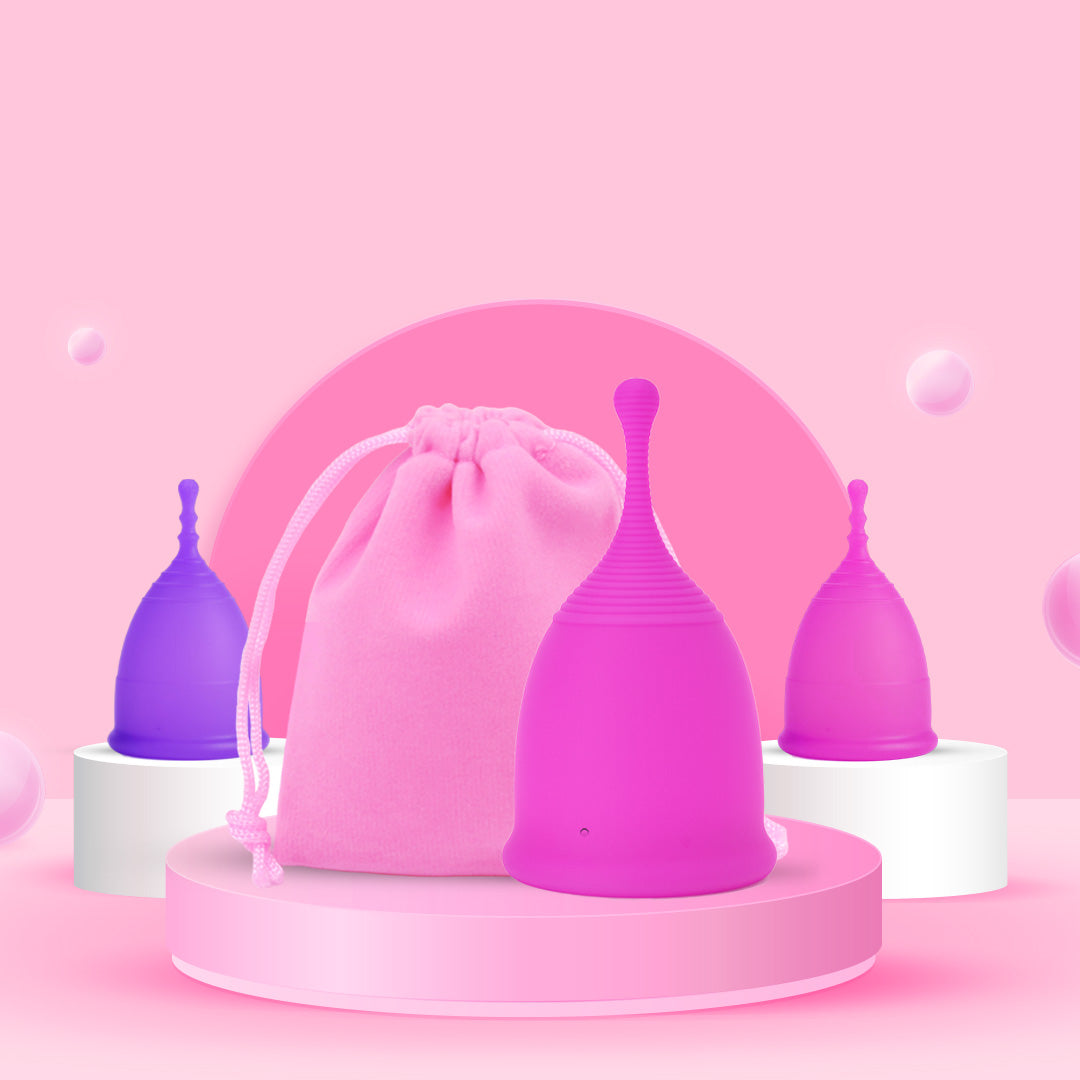
We have seen women hesitate to switch to a cup because of fear of infection. This is one of the most reasonable concerns someone can have about any internal period product. The good news, backed by extensive clinical research, is that menstrual cups are among the safest period products available when used correctly. This article covers what the evidence actually shows about infection risk, what TSS risk actually looks like, what causes the rare irritation that does occur, and what you need to do to keep your cup safe.
What the Clinical Evidence Shows
The most comprehensive review of menstrual cup safety to date, published in The Lancet Public Health and available through PMC, analysed 43 studies covering an estimated 3,300 women. This is the largest and most rigorous systematic review of menstrual cup use ever conducted.
Its findings on infection risk were unambiguous: infection risk did not appear to increase with use of a menstrual cup. In fact, compared to pads and tampons, some studies in the review indicated a decreased infection risk with cup use. A study conducted in Kenya specifically found lower rates of bacterial vaginosis (BV) in menstrual cup users compared to pad users. The researchers proposed that the inert, non-absorbent medical-grade silicone of the cup may assist in maintaining a healthy vaginal pH and microbiome, rather than disrupting it the way absorbent materials can.
The same review found no evidence of mechanical harm to the vaginal walls or cervix in any study that examined these tissues during follow-up. This means that years of sustained cup use did not produce structural damage to vaginal tissue in any of the studies reviewed.
TSS: What Is the Actual Risk?
Toxic Shock Syndrome (TSS) is the infection concern most associated with tampon use, and it is the first thing many women worry about when considering cups. For menstrual cups, the risk exists but is extremely rare and is fundamentally different from the tampon-related TSS mechanism.
Tampon-associated TSS is linked to the highly absorbent synthetic fibres in certain tampons, which create an oxygen-rich environment inside the vagina that promotes Staphylococcus aureus toxin production. Menstrual cups do not absorb menstrual flow. They collect it in an inert silicone cup. The biological conditions that drive tampon-related TSS do not apply to cups in the same way.
The Lancet review identified only five case reports of TSS potentially associated with menstrual cup use across all available literature. Subsequent published case reports have documented a small number of additional rare instances. In every documented case reviewed in detail, improper cleaning was a documented factor: the cup being rinsed with water only without soap between uses, soap cleaning without end-of-cycle sterilization, or extended wear beyond 12 hours without emptying.
This tells us something important: cup-associated TSS is not a material failure. It is a hygiene failure. The cups in documented cases were not cleaned correctly. Correct cleaning behaviour eliminates the conditions that allow the TSS-associated bacteria to reach the concentrations that produce a toxic response.
Healthline's comprehensive review of menstrual cup safety puts this clearly: you are more likely to experience minor irritation from wearing the wrong cup size than you are to develop a serious infection like TSS.
What Actually Causes Irritation: The Real Culprits
The Lancet systematic review identified the actual sources of irritation in cup users, and none of them are inherent to the silicone material or the cup itself.
Incorrect size creating pressure points
A cup that is too large for your anatomy presses against the vaginal walls and cervix with more force than the tissue is accustomed to. This sustained pressure creates localised irritation at the contact points and can produce a feeling of cramping or bladder pressure. The solution is choosing the correct size based on your cervix height and flow volume. The know your size guide walks through the self-assessment clearly.
Incorrect insertion angle
A cup inserted at the wrong angle sits askew in the canal, pressing unevenly against one wall rather than being centred. This creates a friction or pressure point at the wall where the cup presses hardest. Many women interpret this as an infection symptom when it is a positioning issue. Re-inserting correctly resolves it immediately.
Wrong cleaning products
Using scented soap, antibacterial soap, dish soap, or any cleaner not formulated for intimate use leaves chemical residue on the silicone surface. When reinserted, this residue contacts the vaginal mucosa directly. Scented ingredients cause contact irritation. Antibacterial agents disrupt the Lactobacillus bacteria that protect the vaginal environment. Glycerin at high concentrations can encourage yeast growth.
Only mild, unscented, pH-neutral soap should be used for routine cleaning. If in doubt, fragrance-free micellar water or plain warm water is safer than the wrong soap.
Skipping end-of-cycle sterilization
Rinsing and washing during the cycle is sufficient between individual uses. But at the end of each menstrual period, before storing the cup for next month, the cup must be fully sterilized by boiling. Bacteria that survive on the cup surface during storage and are reintroduced next cycle are the source of most cup-associated hygiene issues. The Collapsible Sterilizer Cup makes this step straightforward on both stovetop and microwave, and collapses flat for storage between cycles.
Airtight storage while damp
Storing a cup while even slightly damp in an airtight container creates the warm, moist, sealed environment most conducive to bacterial and mould growth. Always air dry completely before storing. Always use the breathable cloth pouch provided. Never seal the cup in a plastic bag or airtight container.
Silicone allergy (extremely rare)
The Lancet review found three adverse events across all studies that were possibly related to silicone sensitivity, with one serious case requiring surgical reconstruction. Silicone allergy is extremely uncommon in the general population. Women who have experienced reactions to silicone in other products (certain medical devices, breast implants, certain cosmetic ingredients) should discuss cup use with a doctor before starting.
Cup vs Tampon: An Honest Safety Comparison
Tampons rely on absorbent fibres that absorb not only blood but also natural vaginal moisture. Extended tampon wear disrupts the natural moisture balance of the vaginal environment. The absorbent environment they create inside the vaginal canal is the same environment linked to TSS bacterial toxin production.
Cups collect rather than absorb. They use inert medical-grade silicone that does not interact with vaginal chemistry. They do not absorb vaginal moisture or disrupt the natural secretion balance. The clinical evidence is consistent with this: cup users have lower rates of vaginal flora disruption than tampon users in studies that examined this directly.
Your Complete Cup Safety Protocol
During your cycle:
-
Wash hands before every removal and reinsertion
-
Empty every 8 to 12 hours (more frequently on heavy flow days)
-
Rinse with cool water first, then wash with mild fragrance-free soap
-
Rinse all soap residue completely before reinserting
-
Do not exceed 12 hours of continuous wear
End of cycle:
-
Sterilize fully in the Collapsible Sterilizer Cup: boil 3 to 5 minutes on stovetop or 2 to 3 minutes in microwave until water boils
-
Air dry completely on a clean surface
-
Store in the breathable pouch provided, in a cool dry location
What to never use on a cup:
-
Scented or antibacterial soaps
-
Dish soap or kitchen detergent
-
Alcohol, bleach, or hydrogen peroxide as routine cleaners
-
The dishwasher
When to Seek Medical Advice
See a doctor if you experience persistent unusual discharge, a strong odour that does not resolve after proper sterilization and cleaning, sustained pelvic pain during cup use, or any systemic symptoms such as fever, rash, or weakness alongside period symptoms. These are not expected outcomes of correct cup use and deserve medical assessment.
At MomDaughts, we believe fear based on incomplete information keeps women from products that would genuinely improve their lives. Confidence in every cycle.