Hello, dear readers! If you're considering making the switch to period cups, we’re here to guide you through every step of the transition. Moving to a new period care product can feel overwhelming, but with the right tips and support, it can be a seamless and empowering experience. Period cups are not only eco-friendly but they can also offer greater comfort and freedom. Let’s dive into how you can make this transition smoothly.
Understanding Period Cups
Period cups are an innovative period care solution that provides a sustainable alternative to tampons and pads. They are designed to be worn internally, collecting rather than absorbing menstrual flow. With proper care, these reusable cups can be a game-changer in your menstrual health routine.
Tips for a Smooth Transition
1. Start With the Right Product
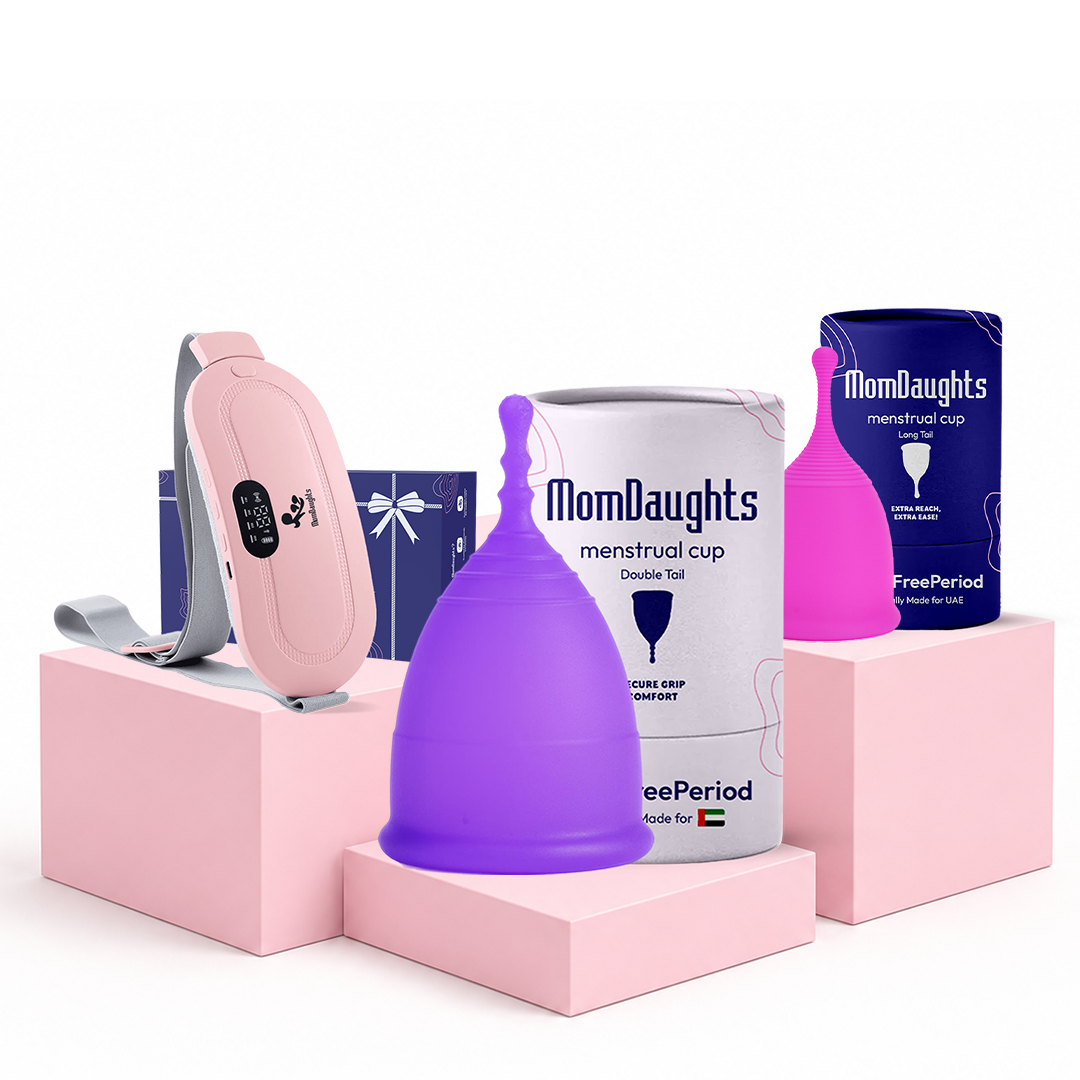
Choosing the right product is essential. If you're new to period cups, consider starting with MomDaughts' Double Tail Menstrual Cup for its gentle, reliable fit, or explore the MomDaughts' Collapsible Menstrual Cup With Cute Storage Case for added convenience and portability.
2. Practice Makes Perfect
Inserting a period cup correctly may require some practice. Experiment with different folding techniques to see which one is most comfortable for you. Don’t worry if it takes a few cycles to feel completely confident—persistence is key!
3. Keeping Things Clean
Cleanliness is crucial for your period care products. Invest in the MomDaughts' Foldable Sterilizer Cup to keep your cup sanitized between uses. This handy tool can be easily stored and used at home or on the go.
4. Listen to Your Body
Everyone’s body is different, so it’s important to listen to yours. Pay attention to how the cup feels throughout the day and adjust as necessary. If discomfort occurs, reassess your folding and insertion technique or consider trying a different cup size.
5. Explore More Period Care Options
If you ever feel like trying something different, explore more in the The Menstrual Collection which includes a variety of products tailored to suit diverse period care needs.
Support and Resources
Remember, it’s okay to seek support or resources if you need guidance. Online communities and forums can be a treasure trove of helpful advice and shared experiences. Don’t hesitate to reach out and ask for help.
Making a switch to period cups is a wonderful step towards sustainable period care. With these tips, you're well on your way to embracing a more comfortable and eco-friendly approach to your menstrual cycle. For more great products and tips, visit us at MomDaughts.
Happy transitioning!