Welcome to an enlightening discussion where we dive into the world of period cups, a crucial advancement in period care that can revolutionize your menstrual experience. Whether you're a seasoned user or considering making the switch, understanding period cups better can make your cycle smoother, more comfortable, and even eco-friendlier. Read on to learn more about this amazing product and how it can fit into your period routine.
What Are Period Cups?
Period cups are reusable menstrual products made of medical-grade silicone, latex, or elastomer. Unlike tampons or pads, they collect menstrual fluid rather than absorbing it. This fundamental difference offers several advantages, including reduced odor, less frequent changes, and no risk of toxic shock syndrome with proper use.
Why Consider Period Cups?
- Eco-Friendly and Economical: Period cups are a sustainable option, significantly reducing the amount of menstrual waste. A single cup can last several years with proper care, saving you money in the long run.
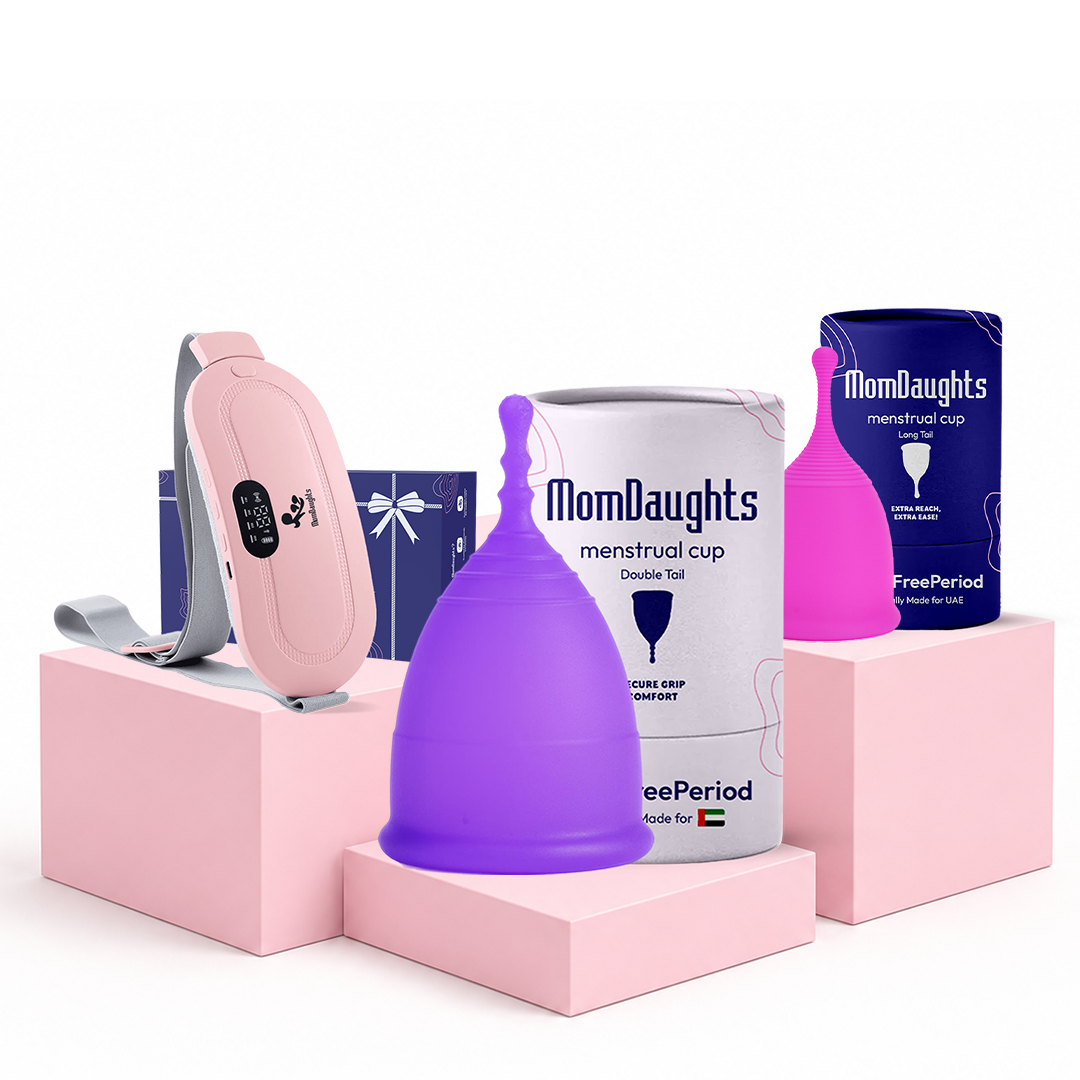
- Comfort and Convenience: Many users find period cups like MomDaughts' Long Tailed Menstrual Cup more comfortable once they get used to them. They're also excellent for overnight use and during physical activities like swimming or exercising.
- Health Benefits: Free from bleaches and chemicals found in some disposable products, period cups are a healthier choice. They maintain the natural balance of vaginal pH and bacteria, reducing irritation and infections.
How to Use a Period Cup
Using a period cup effectively requires some initial practice. Here are the steps:
- Insertion: Fold the cup and insert it into the vagina. Once inside, it will naturally open and create a seal against the vaginal walls.
- Removal: Pinch the base of the cup to release the seal and gently pull it out.
Remember to wash your hands before and after handling your cup, and sterilize it between cycles. Discover our Menstrual Collection for more options including starter guides and tips.
Finding Your Perfect Cup
Moms and daughters alike can find the right fit with options designed for different needs:
- If discretion is key, try the MomDaughts' Short Tailed Menstrual Cup, which boasts a compact design.
- For those who prefer more flexibility and ease of storage, the MomDaughts' Collapsible Menstrual Cup With Cute Storage Case is an ideal choice.
Caring for Your Cup
Proper care can extend the life and usability of your period cup:
- Cleaning: Use a mild, unscented soap or check out our Medicated Inti Wash Hygiene Wash For Women for maintaining optimal hygiene.
- Storage: Keep your cup in a breathable bag or the storage case it came with to prevent bacteria buildup.
By choosing quality and comfort, you're making a proactive decision for your body and the planet. Visit MomDaughts to learn more about our thoughtful approach to period care, and explore our full range of products to find what works best for your lifestyle.
Switching to period cups can seem daunting at first, but the benefits are well worth the adjustment. For better period care and an enhanced period experience, consider making the change today!