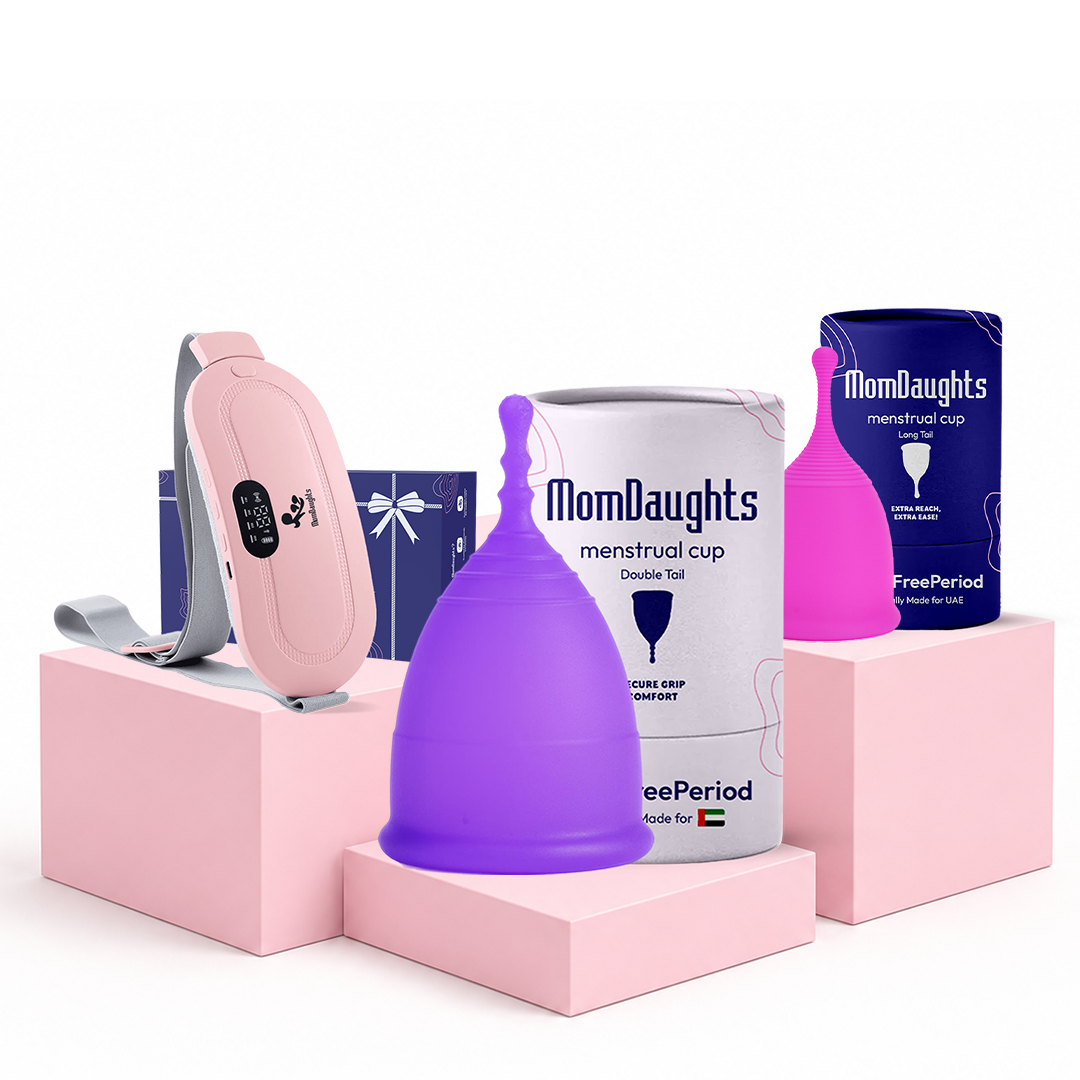

Hello, dear readers! Today, we're diving into the world of period cups — a sustainable and comfortable option to enhance your period care routine. If you've ever been curious about making the switch from traditional menstrual products or are simply intrigued about what period cups have to offer, this guide is for you!
What Are Period Cups?
Period cups, also known as menstrual cups, are bell-shaped devices made of medical-grade silicone, rubber, or latex. They are designed to be inserted into the vagina during menstruation to collect menstrual fluid. Unlike tampons and pads that absorb fluid, period cups are reusable and can be worn for up to 12 hours before being emptied, cleaned, and reinserted.
Benefits of Using Period Cups
- Eco-Friendly & Cost-Effective: Period cups are reusable, which reduces waste and lowers the cost of buying monthly disposable products. With proper care, a single cup can last several years.
- Better for Your Body: Made from medical-grade materials, period cups significantly lower the risk of irritation and infections. Say goodbye to the dryness or chemical exposure that often comes with pads and tampons.
- Convenience & Comfort: Many users find period cups more comfortable once they get used to them. They offer protection that’s reliable and allows you more freedom to go about your day without regular changes.
Choosing the Right Period Cup
When selecting a period cup, consider factors like the cup's size, material, and your menstrual flow. At MomDaughts, we offer various options to suit different needs:
- MomDaughts Short Tail Menstrual Cup: Perfect for beginners or those with a low cervix, providing comfort and ease of use.
- MomDaughts Collapsible Menstrual Cup With Cute Storage Case: Ideal for on-the-go, this design features a collapsible frame for discreet storage and travel.
- Menstrual Cup Comfort Kit (Applicator + Softfit Lubricant): Comes with an applicator and lubricant, facilitating a smooth and comfortable insertion process.
Maintaining Your Period Cup
Proper maintenance is crucial for the longevity of your cup and your hygiene. Always rinse your cup thoroughly with water and a gentle soap like MomDaughts Intiwash – Intimate Hygiene Wash for Women after every use. Sterilize it in boiling water at the end of each cycle.
Explore More
For those looking to explore even more menstrual care products, check out The Menstrual Collection, where we offer a variety of period management solutions to cater to all preferences.
Switching to a period cup can transform your menstrual care routine for the better. By offering an eco-friendly, cost-effective, and comfortable solution, it empowers users to embrace their natural cycles with ease. We hope this guide aids you in making an informed decision and feel free to explore more about period care on MomDaughts.
Happy cycling!
Note: Always consult with a healthcare provider to ensure a menstrual cup is the right choice for you.