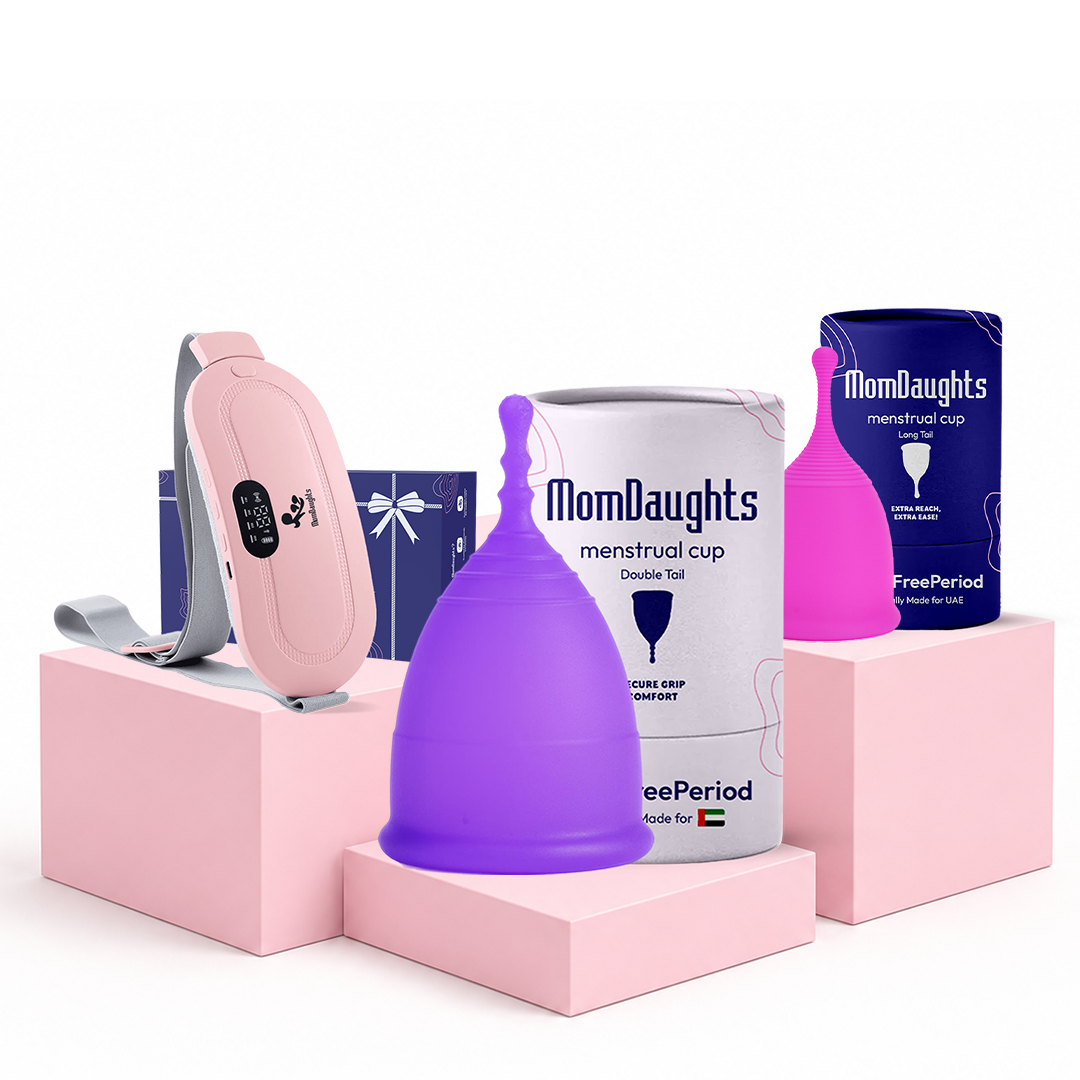
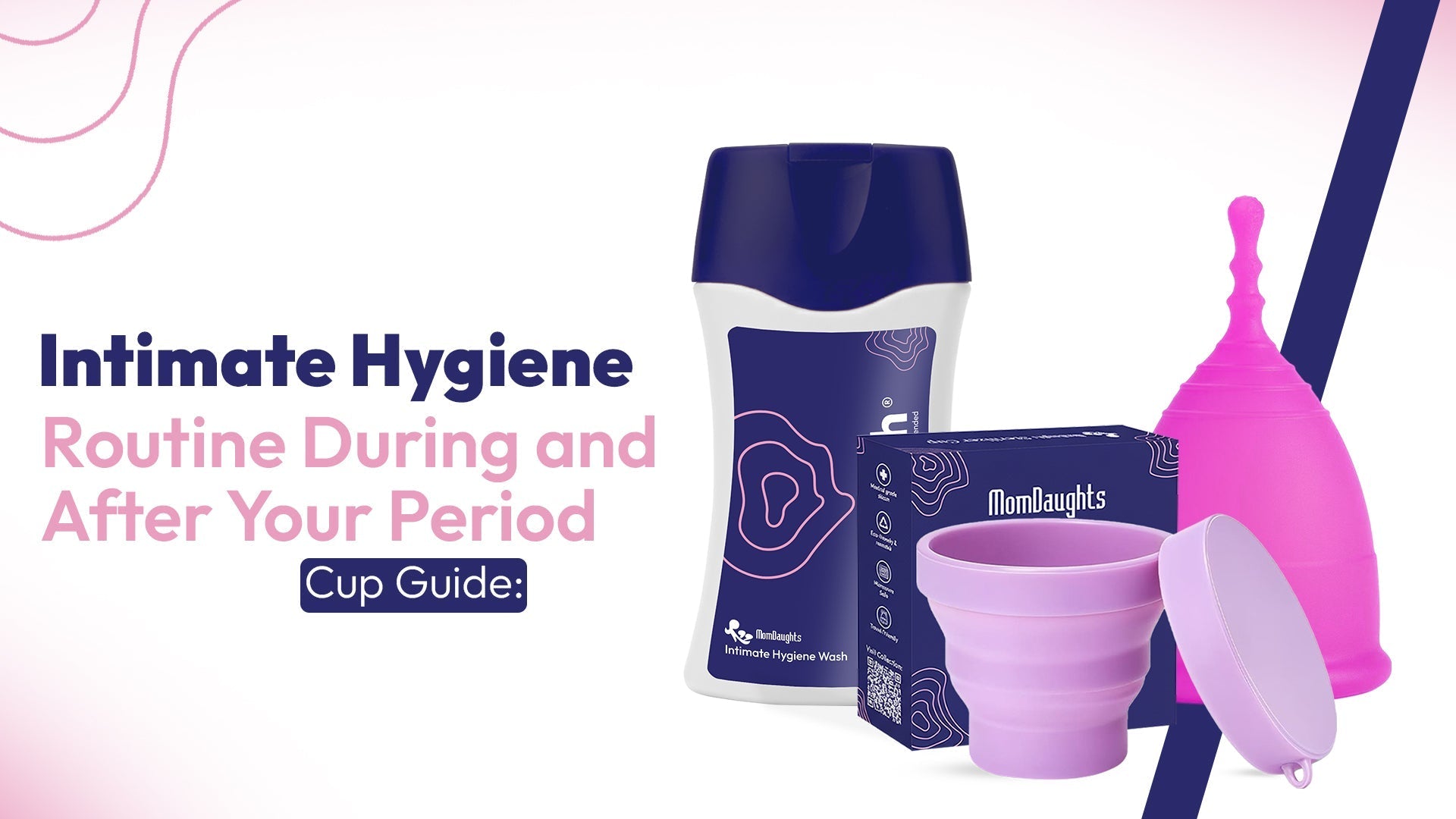
We have seen women use menstrual cups correctly and sterilize them properly while continuing to use regular soap on the intimate area, unknowingly undermining the chemical environment that cup use is supposed to support. Cup use and intimate hygiene are connected, and getting both right produces a noticeably better experience than doing either in isolation. This article gives you the complete integrated routine.
Why Cup Users Need to Think About Intimate Hygiene Differently
A menstrual cup changes two things about how the intimate area is managed during a period.
First, the cup collects flow internally rather than absorbing it externally. This means the external vulvar area stays significantly drier throughout the day compared to pad use. Less external moisture means less bacterial activity and less odour at the external level. This is one of the benefits cup users commonly report.
Second, the cup interacts directly with the vaginal environment during wear. It sits in contact with the vaginal mucosa and the vaginal microbiome for up to 12 hours at a time. Any product used to clean the external area can leave residue that is introduced to the vaginal environment when the cup is inserted.
Using alkaline soap on the intimate area before inserting a clean cup introduces the same pH-disrupting agent that causes BV and yeast infections in pad users. For cup users, this residue is delivered more directly to the vaginal canal because the cup carries it inside. A pH-matched intimate wash eliminates this risk entirely.
The Complete Routine: Day by Day
Morning
Shower as normal. When cleaning the intimate area, use the MomDaughts Intiwash on the external vulva only. Do not insert anything internally. Apply a small amount to the hands, wash the external vulva from front to back, rinse thoroughly with warm water.
Empty and clean the cup if you are at the 8 to 12 hour mark. Rinse with cold water first, then warm water and mild soap. Dry the cup with a clean cloth or air dry briefly before reinserting.
Midday (if needed)
On lighter flow days, the cup may not need emptying at midday. On heavier days, empty, rinse, and reinsert during a bathroom visit. If you are in a public bathroom and cannot wash the cup at the sink, wiping with clean toilet paper and rinsing with water from a small bottle you carry is sufficient for mid-cycle cleaning. Proper soap washing at the next available bathroom is the follow-up.
No additional intimate wash application is needed mid-day for cup users. The cup's internal collection keeps the external area drier than it would be with external products.
Evening
Empty and clean the cup as part of your evening routine. Rinse with cold water first, then mild soap. Reinsert for overnight wear, which is safe for up to 12 hours.
Clean the external intimate area with the Intiwash during your evening shower or wash. This is particularly important on heavier flow days when blood may have been present at the vaginal opening.
End of Period
When your period ends, do the following in sequence:
-
Empty and give the cup a thorough soap and water clean
-
Sterilize the cup in the Collapsible Sterilizer Cup by boiling for 3 to 5 minutes
-
Air dry completely
-
Store in the breathable pouch
For the intimate area: use the Intiwash as normal. The end of a period sometimes brings a temporary pH shift as the hormonal influences change. Continuing the pH-matched wash for 2 to 3 days post-period helps the vaginal environment restabilise smoothly.
Why Intiwash Is Specifically Compatible With Cup Use
The Intiwash is formulated at pH 3.5 with lactic acid, matching the natural pH of the vaginal and vulvar environment. Because it is soap-free and pH-matched, it leaves no alkaline residue on the external skin that could be introduced to the vaginal canal when the cup is inserted.
This is in direct contrast to regular soap. A cup user who washes with pH 9 soap and then inserts their cup is not just disrupting the surface environment. They are carrying that alkaline product on their hands and any residue on the cup into the vaginal canal directly. Over multiple cycles, this contributes to the recurring mild symptoms, dryness, and irritation that some cup users experience and do not connect to their soap.
Hands: The Most Important Factor
Throughout any cup care routine, hand hygiene is the most important factor. Wash hands with mild soap and water before every cup removal and reinsertion. This is more important than any other hygiene step in the routine because hands are the primary vector for bacteria introduction during cup handling.
The Intiwash is not needed on hands and is not formulated for general hand use. Standard mild hand soap for hands, Intiwash for the intimate area, is the correct separation.
During Intimate Hygiene Wash Application
Always apply externally only. Never insert the Intiwash or any intimate wash internally. The vagina self-cleans and does not require washing. Internal washing of any kind disrupts the vaginal microbiome directly and is the leading cause of acute pH disruption and BV recurrence.
Apply once daily during a shower or wash. Over-washing, even with the correct product, removes surface moisture faster than the tissue regenerates it.
Frequently Asked Questions
Can I use regular soap on the intimate area when I use a menstrual cup?
It is strongly recommended not to, particularly for cup users. Alkaline soap residue on the external skin and hands can be introduced to the vaginal canal during cup insertion. Using a pH-matched intimate wash like Intiwash eliminates this risk and supports the natural environment that makes cup use comfortable.
Do I need to use the intimate wash before and after inserting the cup?
Once daily during a shower is sufficient. You do not need to apply intimate wash immediately before or after every cup change. Correct hand washing before handling the cup is the most important hygiene step at the point of insertion or removal.
Is the Intiwash safe to use every day throughout my cycle?
Yes. It is formulated for daily external use without cumulative disruption to the natural flora.
At MomDaughts, we believe period care works best when all the products in your routine work together. Confidence in every cycle.