Hygiene

Why Regular Soap Destroys Intimate pH: What to Use Instead
We have seen women use the same bar soap on every part of their body without knowing that one area operates at a completely different chemical level and responds very badly to the same product. The intimate area's pH is roughly 10,000 to 100,000 times more acidic than the soap most Pakistani women use daily on that area. This is not a small difference. This article explains exactly what that means, what it does to your body over time, and what the correct alternative is. Understanding pH: What the Numbers Mean pH measures acidity or alkalinity on a scale from 0 to 14. pH 7 is neutral. Below 7 is acidic. Above 7 is alkaline. The difference between each number is a factor of ten, which means a difference of two numbers represents a 100-fold difference in acidity or alkalinity. Regular soap and body wash are formulated at pH 8 to 10. This alkaline range is appropriate for general skin and effectively removes oils, bacteria, and environmental residue from the arms, legs, face, and torso. The intimate area operates at pH 3.5 to 4.5. This is strongly acidic. A global hygiene practices review published in PMC confirms that the healthy vaginal pH averages 3.5 and the vulvar pH ranges from 3.8 to 4.2 during the menstrual cycle. The difference between pH 9 (soap) and pH 3.5 (intimate area) is not just one chemical unit on a scale. It represents a difference in hydrogen ion concentration of over 100,000 times. Applying a product formulated at pH 8 to 10 to an area that functions at pH 3.5 to 4.5 is not a minor mismatch. It is a substantial disruption to a carefully maintained biological system. Why the Intimate Area Needs Its Acidic pH The acidity of the intimate area is not incidental to biology. It is a deliberate feature of the body's immune defence system for this area. The acidic environment is created and maintained by Lactobacillus bacteria that naturally colonise the vaginal and vulvar microbiome. These bacteria produce lactic acid as a natural metabolic byproduct of breaking down glycogen in the vaginal epithelium. This lactic acid production is what creates and maintains the pH 3.5 to 4.5 range. A clinical study on a lactic acid intimate wash published in PMC explains the Lactobacillus ecosystem in detail: these bacteria support the vaginal environment by producing lactic acid, maintaining low pH, secreting bacteriocins (natural antibiotics), competing with harmful bacteria for nutrients and receptor sites, and contributing to the innate immune response. When you strip this environment with alkaline soap, you are not just cleaning. You are dismantling a protective system that the body has maintained at significant metabolic cost. What Happens When the pH Is Disrupted When alkaline soap shifts the intimate area's pH upward, Lactobacillus bacteria struggle to survive. They are adapted to a specific acidic range. Outside that range, their activity declines. When protective bacteria decline, opportunistic organisms fill the space. The two most common opportunistic organisms are Candida (the yeast responsible for yeast infections) and Gardnerella vaginalis (the bacteria primarily associated with bacterial vaginosis). Both thrive in a less acidic environment that Lactobacillus activity is no longer suppressing. The PMC global hygiene review found strong evidence of this pattern in population data. Women who used bubble bath regularly were twice as likely to have BV compared to women who did not. Women who used antiseptic solutions on the intimate area had BV three times more frequently. Women who douched had BV six times more commonly. The direction is consistent across all alkaline and antibacterial product types: disrupting the intimate pH creates conditions for infection. Why the Symptoms Seem Unrelated to Hygiene The most frustrating aspect of this pattern is the delay between cause and effect. You do not develop BV or a yeast infection on the same day you use the wrong soap. The disruption accumulates gradually over weeks and months of daily incorrect cleaning. By the time symptoms appear, most women have been using the same soap for so long that they do not connect it to the problem. Common symptoms of ongoing pH disruption include persistent dryness or tightness in the intimate area, mild itching that comes and goes without a clear trigger, recurring odour that does not correspond to an active infection, recurring yeast infections or BV despite treatment, and increased sensitivity or redness in the vulvar area during or after washing. Many Pakistani women who switch to a pH-matched intimate wash after years of using regular soap report that symptoms they had accepted as normal, periodic itching, dryness, mild odour, completely resolve within two to three weeks. The symptoms were not normal. They were a chronic consequence of the wrong product. What an Intimate Hygiene Wash Does Differently An intimate hygiene wash is soap-free, pH-balanced to the intimate area's natural pH range of 3.5 to 4.5, and formulated specifically to clean the external vulvar area without disrupting the protective microbiome. The PMC 28-day clinical study on a lactic acid intimate wash confirmed its key finding: the pH-matched wash cleaned effectively without significant impact on commensal species richness or diversity of the vulvar microbiome. It removed surface bacteria, residue, and discharge without stripping protective organisms. This is the clinical standard a quality intimate wash should meet. The MomDaughts Intiwash is formulated at pH 3.5 with lactic acid, the same acid Lactobacillus bacteria produce naturally. It is soap-free, completely fragrance-free, and designed for external daily use. It cleans without disruption and without the need for any of the chemicals in standard soaps that are not appropriate for the intimate area. Who Is Most Affected All women who use regular soap on the intimate area are affected to some degree. The impact varies by frequency, by the specific product, and by individual microbiome resilience. However, certain groups experience faster and more noticeable consequences. Women with recurring BV or yeast infections despite maintaining otherwise good hygiene should consider soap pH as a contributing factor before concluding there is an underlying medical condition driving recurrence. Women who notice persistent dryness or sensitivity despite drinking adequate water and using moisturiser elsewhere are often experiencing chronic product-related disruption rather than a separate dermatological condition. Women who use pads or period underwear for extended periods, particularly during hot Pakistani summers, face additional moisture and occlusion stress on the intimate environment. Adding alkaline soap to that combination increases the cumulative disruption. Cup users benefit particularly from pH-matched intimate wash. During menstruation the intimate area is more active, blood temporarily alters the local pH, and any product that further disrupts the environment creates more potential for recurrence of conditions that make cup use less comfortable. Correct Use of Intimate Hygiene Wash Apply to the external vulva only. Never internally. The vagina is self-cleaning and does not need washing of any kind. Cleaning internally disrupts the vaginal environment directly and is the cause of the most severe pH disruption cases. Use hands, not a washcloth. Washcloths harbour bacteria and introduce unnecessary friction to sensitive tissue. Wash front to back, from the vulva toward the anus. This prevents bacteria from the anal area being moved forward toward the vaginal opening. Once daily during a shower or bath is appropriate for most women. Over-washing, even with the correct product, strips protective moisture and can disrupt the surface microbiome faster than it regenerates. At MomDaughts, we believe women should understand the science behind their daily routine. Confidence in every cycle.
Learn more
Ice Roller: What It Is and Why Pakistani Women Are Adding It to Their Skincare Routine
We have seen women splash cold water on their face for years to reduce morning puffiness, not knowing there is a purpose-built tool that does the same thing more effectively, more consistently, and with the added benefit of facial massage built in. The ice roller takes 90 seconds and has become one of the most frequently discussed skincare tools among Pakistani women in 2025 and 2026. This article explains what it is, what it actually does to skin, and when to use it. What an Ice Roller Is An ice roller is a handheld skincare tool with a rollable head that is filled with liquid or gel and frozen before use. When rolled across the face, it delivers consistent cold therapy and gentle massage pressure to the skin. The MomDaughts Ice Roller is made from FDA-grade silicone, is refillable (allowing customization with ingredients like lemon juice for brightening or green tea for soothing), and is reusable. It is lightweight and suitable for all skin types. What Cold Therapy Actually Does to Skin The benefits of applying cold to skin are physiological, not superficial. Vasoconstriction. Cold causes blood vessels to constrict briefly. This is the mechanism behind reduced puffiness and redness: swollen capillaries near the skin surface narrow, reducing the fluid accumulation and blood volume that causes puffiness, particularly around the eyes and cheeks in the morning. Lymphatic drainage. The rolling motion combined with cold temperature stimulates lymphatic fluid movement. The lymphatic system clears cellular waste and excess fluid from tissue. Gentle rolling along lymphatic drainage pathways (outward from the centre of the face toward the hairline and down the neck) accelerates this process. Tightening effect. The immediate vasoconstriction produces a temporary tightening and firming sensation that makes skin appear more awake and defined. This effect lasts 30 to 60 minutes. Reduced inflammation. Cold therapy reduces the inflammatory response in skin, making it useful after IPL sessions, after a breakout, or during periods of skin sensitivity. Soothing redness. Skin that is red from rosacea, sensitivity, or sun exposure responds quickly to cold therapy because vasodilation (widening of blood vessels that causes redness) is directly counteracted by cold-induced vasoconstriction. About the MomDaughts Ice Roller The MomDaughts Ice Roller is FDA-grade silicone, refillable, and customizable. The refillable design allows you to use plain water for standard cold therapy, or add natural ingredients to the fill: Lemon juice: Mild brightening properties from Vitamin C. Use diluted, not undiluted, to avoid irritation. Green tea: Anti-inflammatory and antioxidant properties. Brew and cool completely before filling. Aloe vera gel mixed with water: Soothing and hydrating. Particularly useful post-IPL or after sun exposure. Plain distilled water: The standard, effective choice for daily use. Freeze overnight or for at least 4 hours before use. The roller retains cold for approximately 10 to 15 minutes of continuous use, which is more than sufficient for a full-face session. How to Use the Ice Roller When to use: Morning is the most effective time. Overnight fluid accumulation in facial tissue produces the most visible puffiness, and the ice roller's vasoconstriction effect is most noticeable then. You can also use it after IPL, after skincare that causes mild redness, or any time skin feels inflamed. Remove from freezer. Use within the first 5 minutes for maximum cold effect. Roll from the centre of the face outward. Start at the nose bridge and roll outward across the cheeks toward the hairline. Under the eyes: roll very gently from the inner corner outward. Jawline: roll from the chin outward toward the ear. Forehead: roll from the centre upward and outward. Follow lymphatic drainage lines. Always roll toward the lymph nodes at the sides of the neck and below the ears, not toward the centre of the face. This ensures drainage, not accumulation. Use for 60 to 90 seconds per session. A full-face session takes under 2 minutes. Apply serum immediately after. Skin that has been briefly cooled and its pores slightly contracted absorbs serums more efficiently in the following minutes. Apply Vitamin C serum or Niacinamide serum immediately after rolling for enhanced absorption. When the Ice Roller Is Most Useful for Pakistani Skin Morning puffiness. Overnight fluid accumulation is universal, but heat and high humidity in Pakistani summers can worsen it. The ice roller's vasoconstriction effect is the fastest non-product solution for this. After IPL sessions. IPL causes mild redness and warmth in treated areas. Rolling gently over treated skin after a session reduces this redness and provides immediate soothing comfort. Do not press hard over freshly IPL-treated areas. Light pressure, cold contact only. Acne inflammation. Rolling gently over a developing blemish (not pressing or squeezing) reduces localised inflammation and can slow the blemish's development. It will not eliminate a blemish but reduces the angry redness around it. Summer heat. Pakistan's summer heat causes flushing and skin reactivity. A 90-second ice roller session provides a reset for reactive, overheated skin. Before events. The temporary tightening and brightening effect lasts 30 to 60 minutes, making it a useful pre-event tool for a more awake, defined appearance. Care and Hygiene After each use, rinse the roller head under clean water. Dry fully before returning to the freezer. Do not share the roller with others. Deep clean weekly by washing with mild soap and water, rinsing thoroughly, and allowing to dry before refreezing. If using natural ingredients like lemon juice or green tea in the fill, empty and refill with fresh liquid weekly to prevent bacterial growth. At MomDaughts, we believe the simplest tools are often the most consistent ones. Confidence in every step.
Learn more
Women's Portable Urinal Funnel in Pakistan: What It Is and Who Needs It
We have seen this product go from something women did not know existed to one of the most urgently requested items in our catalog. A female urinal funnel solves a problem that millions of Pakistani women face every day but almost nobody talks about openly: the lack of safe, clean, hygienic options for urination in public spaces, during travel, at pilgrimage, in hospitals, and at outdoor events. This article explains what it is, how it works, and the specific situations where Pakistani women need it most. What a Female Urinal Funnel Is A female urinal funnel, also called a female urination device (FUD) or she-pee device, is a portable tool that allows women to urinate while standing up. It is typically made from flexible, medical-grade or food-grade silicone or plastic and shaped to fit against the female anatomy, directing urine away from the body and into a toilet, drain, or appropriate outdoor location. The MomDaughts Urinal Funnel is compact, lightweight, and designed for hygiene and portability. It can be used discretely under clothing, cleaned quickly, and reused indefinitely. Why Pakistani Women Specifically Need This Product Pakistan has a documented shortage of clean, accessible female public restrooms. Survey data from urban Pakistan consistently shows that women in public spaces, at transport hubs, markets, mosques, and hospitals often face unhygienic facilities, no facilities at all, or facilities that require physical contact with surfaces that pose infection risk. Several specific situations make a portable funnel valuable for Pakistani women. Hajj and Umrah. During pilgrimage, millions of people share limited facilities. The difficulty of finding available, clean restrooms while in ihram, particularly for women who may need to maintain modesty and cannot easily remove multiple layers of clothing, makes a portable funnel a practical solution used globally by pilgrimage-going women. Long distance travel by road. Pakistan's road network means journeys of 8, 10, or 12 hours between cities. Rest stops may have no female facilities or facilities in conditions that make contact inadvisable. A female funnel allows women to urinate standing without needing to remove lower clothing entirely or make contact with any surface. Outdoor events, weddings, and gatherings. Large open-air events, farms, and wedding venues in rural and peri-urban Pakistan frequently lack adequate female restroom facilities. A portable funnel allows women to manage hygienically in these environments. Hospitals and extended care. Women who are recovering from surgery, have mobility limitations, are in third-trimester pregnancy, or are caring for an ill family member in hospital may need to urinate in confined spaces, from a bed, or with limited ability to squat. A female funnel used into a bedpan or container addresses this directly. Women with urinary tract conditions or pelvic floor weakness. Some women experience discomfort or leakage when attempting to squat, making the standing-urination approach both more comfortable and more controlled. How to Use a Female Urinal Funnel Using a funnel for the first time requires only one or two practice sessions. Position the funnel. Hold the wider, curved end of the funnel against the body, fitting it snugly against the anatomy with the narrower end pointing away from the body toward the toilet or drain. Adjust clothing. Pull underwear to the side rather than removing it. With practice, most women complete the entire process without removing any lower garment. Urinate normally. Relax and urinate as you normally would. The funnel directs flow away from the body and clothing. Shake and remove. Give the funnel a brief shake to clear residual drops before removing it from position. Clean. Rinse with clean water immediately after use. For travel situations where water is limited, carry a small bottle of water specifically for this purpose. Full cleaning with mild soap and water can be done when facilities allow. Hygiene and Care The MomDaughts Urinal Funnel is reusable and designed for repeated use with correct care. After each use, rinse thoroughly with clean water. After daily use or before storage, wash with mild soap and warm water, rinse completely, and allow to air dry. Store in a clean, dry pouch or bag. Do not store wet or sealed in an airtight container. The funnel is compatible with mild antibacterial rinsing for thorough hygiene maintenance when needed. Disposable vs Reusable: Which Is Better for Pakistan? Disposable single-use funnels are available internationally but are not widely available in Pakistan and produce unnecessary waste. A reusable silicone or food-grade plastic funnel, properly cleaned, is hygienic for long-term use, significantly more cost-effective, and eliminates the supply problem of needing to find replacements. For Hajj, where waste disposal is already a significant logistical concern, a reusable device is the more appropriate choice. For regular Pakistani travel and daily use, a reusable funnel that fits in a bag or purse is the practical, durable option. Travelling With the Funnel The MomDaughts Urinal Funnel is compact enough to carry in a handbag, travel pouch, or carry-on luggage. Keep it in a small sealable bag separate from other items, along with a small spray bottle of water for immediate rinsing if toilet access is delayed. For Hajj and Umrah specifically, pack the funnel in your ihram bag or day pouch with a small cloth for drying and a 50ml water bottle for rinsing. Many Pakistani women who perform Hajj report that this product becomes indispensable within the first day. At MomDaughts, we believe every woman deserves practical tools that make daily life simpler and more dignified. Confidence in every cycle.
Learn more
7 LED face mask colors: What Each Light Does for Pakistani Skin
We have seen women buy LED face masks without understanding what the colours actually do, use only the red light because it looks most impressive, and miss the other six modes entirely. LED therapy works by delivering specific light wavelengths that trigger different biological responses in skin cells. Each colour corresponds to a different mechanism and a different skin concern. This article explains all seven, how LED therapy works, and which modes are most relevant for common Pakistani skin concerns. How LED Light Therapy Works LED stands for Light Emitting Diode. When specific wavelengths of light are directed at skin at the correct intensity, they are absorbed by skin cells and trigger measurable biological responses. This process is called photobiomodulation. Different wavelengths penetrate the skin to different depths. Red light, with a longer wavelength, penetrates deeper into the dermis where fibroblasts and collagen-producing cells are located. Blue light, with a shorter wavelength, works primarily in the epidermis where sebaceous glands and acne bacteria are active. Near-infrared light penetrates deepest, reaching subcutaneous tissue. The MomDaughts LED Face Therapy Mask is FDA-cleared and emits specific wavelengths at confirmed intensities: approximately 100 mW/cm² for red light and approximately 40 mW/cm² for blue light. These intensities sit within the therapeutic range confirmed by clinical research for photobiomodulation while remaining safe for home use. Sessions are 15 to 20 minutes daily. The mask is wireless, lightweight, and fits all face shapes. The 7 LED face mask colors: What Each Mode Does Red Light: Collagen and Anti-Ageing Red light is the most studied LED wavelength for skin. At wavelengths of approximately 630 to 700nm, red light penetrates into the dermis and is absorbed by fibroblasts, the cells responsible for producing collagen and elastin. Red light therapy stimulates fibroblasts to increase collagen production, reduces the activity of matrix metalloproteinases (the enzymes that break down existing collagen), and improves blood circulation in treated skin. The visible results over consistent use are firmer skin, reduced fine lines, improved texture, and a warmer, more even tone. For Pakistani skin, which is subject to year-round UV exposure that accelerates collagen degradation, regular red light sessions provide a non-invasive collagen support mechanism. Use red light mode 4 to 5 times per week for anti-ageing and skin firming goals. Blue Light: Acne and Bacteria Blue light, at wavelengths of approximately 405 to 420nm, targets Cutibacterium acnes (formerly Propionibacterium acnes), the bacteria primarily responsible for inflammatory acne. Blue light is absorbed by porphyrins, compounds produced by acne bacteria. This absorption generates reactive oxygen species that destroy the bacteria from within without damaging surrounding skin cells. Blue light also has a mild anti-inflammatory effect on sebaceous glands, reducing the overactive oil production that contributes to clogged pores. The MomDaughts mask emits approximately 40 mW/cm² of blue light, consistent with intensities used in clinical blue light therapy studies. For acne-prone Pakistani skin, blue light 3 to 4 times per week reduces active breakouts without the dryness associated with topical acne treatments. It pairs well with Niacinamide serum applied before sessions. Green Light: Pigmentation and Redness Green light targets melanocytes and reduces the overproduction of melanin in pigmented areas. It also calms surface redness by acting on blood vessel hyperactivity in the epidermis. For Pakistani skin with sun-triggered pigmentation, post-acne marks, or uneven tone, green light sessions 2 to 3 times per week complement topical brightening ingredients by working from the inside. Combined with a Vitamin C serum applied before sessions, green light and Vitamin C address pigmentation through two independent mechanisms simultaneously. Yellow Light: Skin Soothing and Lymphatic Drainage Yellow light, at approximately 570 to 590nm, stimulates lymphatic drainage and promotes skin renewal at the surface level. It is used for redness, inflammation, and general skin sensitivity reduction. Yellow light is particularly useful for skin that has undergone recent treatment or is experiencing seasonal sensitivity. Use yellow light mode after IPL sessions, chemical exfoliation, or any treatment that temporarily increases skin sensitivity. It helps calm treated skin and speeds up recovery. Purple Light: Acne + Anti-Ageing Combination Purple light combines red and blue wavelengths simultaneously, addressing both active acne and collagen regeneration in the same session. It is useful for women with acne-prone skin who also want anti-ageing benefits, allowing both concerns to be addressed without switching between modes. Cyan Light: Calming and Barrier Repair Cyan light, at approximately 490 to 510nm, calms inflammation and supports skin barrier function. It reduces the sensitivity and irritation that can result from overactive skincare routines or environmental stress. Cyan light is useful for women with reactive or combination skin that alternates between oiliness and tightness. White Light: Comprehensive Treatment White light combines multiple wavelengths and is used for comprehensive cell activation and general skin rejuvenation. It is the broadest-spectrum mode and is useful as a maintenance setting when no specific concern is being targeted. Which Modes Are Most Relevant for Pakistani Skin Pakistani skin concerns, in order of prevalence, are hyperpigmentation and dark spots, acne and post-acne marks, and early ageing from UV exposure. The most relevant modes for these concerns are: Concern Primary Mode Supporting Mode Dark spots and uneven tone Green Red (collagen support) Active acne and oily skin Blue Purple (dual benefit) Post-acne marks (PIH) Green Yellow (inflammation) Fine lines and skin firmness Red White (maintenance) Sensitive or reactive skin Yellow Cyan Comprehensive routine White or rotate all modes - How to Use the LED Face Mask Step 1: Cleanse thoroughly. Remove all makeup and cleanse skin before each session. LED light passes through clean skin more effectively. Apply any serums before the mask as LED can enhance serum absorption. Step 2: Select your mode. Choose the wavelength matching your current concern. For anti-ageing and general maintenance, start with red. For acne, use blue. For pigmentation, use green. Step 3: Wear for 15 to 20 minutes. The mask is wireless and lightweight. Lie back, relax, and allow the light to penetrate the skin during the session. Do not look directly at the LEDs without the mask in position. Step 4: Apply moisturiser after. Post-session, the skin is slightly more receptive to active ingredients. Apply a moisturiser or hydrating serum after each session. The Hyaluronic Acid serum works particularly well post-session for hydration. Step 5: Frequency. Daily use for 15 to 20 minutes is the recommended frequency. Most users see initial skin changes within 3 to 4 weeks of consistent daily use. Safety Notes The mask is FDA-cleared and suitable for most skin types. However, three groups should consult a dermatologist before use: Women with photosensitivity. Certain medications (including some antibiotics, retinoids, and anti-inflammatories) cause photosensitivity. LED therapy at these intensities may cause reactions in photosensitised individuals. Women with melasma. Melasma can be worsened by heat and light in some cases. If you have active melasma, consult a dermatologist about which LED modes are appropriate for your specific situation. Women with epilepsy. The light cycling pattern of LED devices can trigger photosensitive epilepsy. Consult a neurologist before using any LED therapy device.
Learn moreWhat Is Intimate Hygiene Wash and Why Pakistani Women Need One?
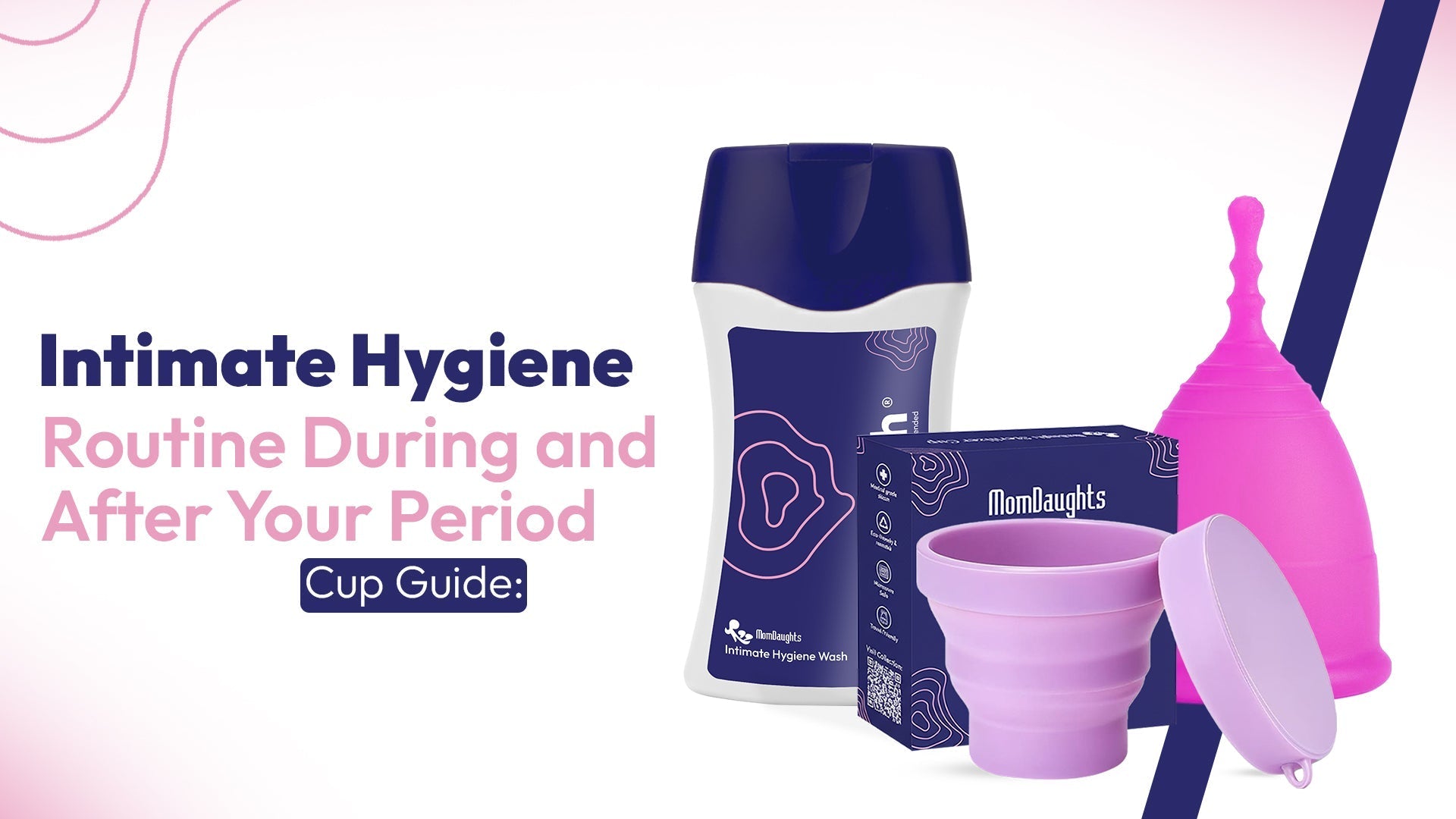
We have seen women use the same bar soap for their entire body their whole lives, not knowing it is the wrong pH for one specific area. We have also seen women suffer from recurring itching, dryness, and odour that resolved within weeks of switching to a product formulated for the intimate area. The science behind why this happens is straightforward, and this article explains it clearly. The Vagina vs the Vulva: An Important Distinction First Before discussing intimate hygiene products, one distinction matters: the vagina and the vulva are different structures with different needs. The vagina is internal. It is self-cleaning. It produces discharge that flushes out dead cells and harmful bacteria, and it maintains its own healthy environment through natural bacterial activity. Nothing needs to go inside the vagina to clean it, and inserting soap or water internally can cause harm by disrupting this system. Mayo Clinic's own gynaecologist confirms that the best thing for the vagina is leaving it alone entirely. The vulva is external. It is the outer skin surrounding the vaginal opening, including the labia. It does need gentle external cleaning, because sweat, discharge, urine residue, and menstrual blood accumulate here throughout the day. The question is not whether to clean the vulva, but what to clean it with. An intimate hygiene wash is designed for the vulva only, not for internal use. Why Regular Soap Is the Wrong Product Most bar soaps and body washes are formulated with a pH of 8 to 10. This alkaline pH is appropriate for general skin, where it effectively removes oil and bacteria. But the vulva and vaginal opening operate in a completely different pH environment. According to a global hygiene practices review published in PMC, the healthy vaginal pH sits at an average of 3.5, and the vulvar pH ranges from 3.8 to 4.2 during the menstrual cycle. This strongly acidic environment is not accidental. It is maintained by Lactobacillus bacteria that produce lactic acid as a natural by-product, creating conditions hostile to harmful bacteria, yeast, and pathogens. When you apply a soap with a pH of 8 to 10 to the vulvar area, even briefly and externally, you introduce a product that is 10,000 to 100,000 times less acidic than the environment it is entering. This disrupts the local pH, strips moisture, and can damage the surface barrier that protective bacteria depend on. The same PMC review found that women using bubble bath were twice as likely to have bacterial vaginosis (BV) compared to women who did not. Those using antiseptic solutions on the vulva had BV three times more often. Douching agents raised that risk six times. The pattern is consistent: the wrong product on the wrong area creates conditions for infection, not cleanliness. What Happens When the pH Is Disrupted The intimate area's natural defence system is built around Lactobacillus bacteria. A clinical study published in PMC confirmed that a healthy vaginal microbiome is dominated by Lactobacillus species including L. crispatus, L. iners, L. jensenii, and L. gasseri. These bacteria produce lactic acid, compete with pathogens for nutrients and space, and form a key part of the body's innate immunity in this area. When the pH is pushed alkaline by soap or harsh detergent, Lactobacillus bacteria struggle to survive. When protective bacteria are reduced, harmful species including Candida (yeast) and Gardnerella vaginalis (the primary bacteria associated with BV) can grow unchecked. The result is the discomfort, odour, and discharge that many women experience but cannot connect to their hygiene routine. This is why switching from regular soap to a pH-matched product resolves symptoms that seem unrelated to product choice. The body's own defences resume functioning when the environment stops working against them. What an Intimate Hygiene Wash Actually Does An intimate hygiene wash is a soap-free, pH-balanced cleanser formulated specifically for the external intimate area. It cleans effectively without disrupting the local microbiome. The key differences from regular soap: Property Regular Soap Intimate Hygiene Wash pH 8 to 10 (strongly alkaline) 3.5 to 4.5 (matches intimate area) Surfactants Harsh, strip moisture and bacteria Mild, clean without stripping Fragrance Often present, causes irritation Absent or minimal in quality products Formula Soap-based Soap-free Effect on flora Disrupts Lactobacillus balance Maintains natural bacterial balance Safe for daily use No, for intimate area Yes The PMC clinical study on a lactic acid-containing intimate gel wash confirmed that a pH-matched product used over 28 days had no significant impact on commensal species richness or diversity of the vulvar microbiome. In other words, it cleaned effectively without disrupting the protective bacteria that keep the area healthy. About the MomDaughts Intiwash The MomDaughts Intiwash is formulated at pH 3.5 with lactic acid and natural ingredients, matching the body's own intimate environment rather than working against it. pH 3.5 with lactic acid. Lactic acid is the same acid naturally produced by Lactobacillus bacteria. Using a product that contains lactic acid supports rather than disrupts the intimate pH environment. Soap-free formula. Soap-free means no harsh surfactants that strip protective moisture from the delicate vulvar skin. Controls odour without masking agents. Intimate odour is almost always a sign of pH imbalance, not a hygiene failure. A product that corrects the environment addresses the cause. Artificial fragrance masks the symptom while often worsening the underlying imbalance. Safe for daily use. The mild formulation is suitable for daily cleansing without cumulative disruption to the natural flora. Suitable for menstrual cup users. Women using a menstrual cup benefit particularly from a pH-matched intimate wash. During menstruation, the intimate area is more active and blood alters the local pH temporarily. A gentle, compatible wash supports the clean, chemical-free experience that reusable period care is designed to provide. 100ml, medicated formulation. Made with natural ingredients and suitable for women of all ages. Who Needs an Intimate Hygiene Wash Women who experience recurring itching, dryness, or odour. These are often signs of pH disruption from using the wrong products, not signs of poor hygiene. Switching to a pH-matched intimate wash frequently resolves these symptoms within a few weeks. Women who use regular soap on the intimate area. Even brief, external use of alkaline soap can disrupt the surface environment over time. This is the most common source of unnecessary intimate discomfort. Women who wear pads or heavy period products for extended periods. Prolonged occlusion and moisture retention during menstruation can temporarily shift the vulvar environment. Daily gentle cleansing with a pH-matched product supports comfort throughout the cycle. Women who use menstrual cups or discs. A pH-balanced wash is the recommended companion for reusable period care. It keeps the external area clean without introducing chemicals that could affect the internal environment. Teenagers starting their period. Young women who are new to menstruation and intimate hygiene deserve accurate guidance. A mild, pH-matched product formulated for daily use is significantly safer than reaching for the nearest bar soap. What to Avoid Several products marketed for intimate use carry significant risks despite their claims. Scented soaps and body washes. Fragrance is one of the most common causes of contact dermatitis in the vulvar area. It does not improve cleanliness and frequently worsens irritation. Antibacterial soaps. Antibacterial agents do not distinguish between harmful and protective bacteria. They reduce Lactobacillus colonisation along with everything else. Intimate wipes with alcohol or fragrance. These can cause dryness and irritation, particularly with repeated use. Douching. Douching introduces fluid internally, directly disrupting the vaginal microbiome. Research consistently links douching to higher rates of BV, yeast infections, urinary tract infections, and in some studies, pelvic inflammatory disease. The vagina does not need to be flushed. It cleans itself. How to Use Intimate Hygiene Wash Correctly External use only. Apply to the vulva only, the outer skin and labia. Do not insert into the vagina. Hands only, not a washcloth. A washcloth can harbour bacteria and introduce unnecessary friction to sensitive skin. Lukewarm water. Hot water dries the skin and can temporarily raise the local pH. Front to back. Always clean from front to back, vulva toward the anus, to prevent bacteria from the anal area reaching the intimate area. Once daily is sufficient. Over-washing, even with the right product, can remove moisture and disrupt the natural surface balance. Once daily during a shower or bath is appropriate for most women.
Learn more