We have seen women use the same bar soap on every part of their body without knowing that one area operates at a completely different chemical level and responds very badly to the same product. The intimate area's pH is roughly 10,000 to 100,000 times more acidic than the soap most Pakistani women use daily on that area. This is not a small difference. This article explains exactly what that means, what it does to your body over time, and what the correct alternative is.
Understanding pH: What the Numbers Mean
pH measures acidity or alkalinity on a scale from 0 to 14. pH 7 is neutral. Below 7 is acidic. Above 7 is alkaline. The difference between each number is a factor of ten, which means a difference of two numbers represents a 100-fold difference in acidity or alkalinity.
Regular soap and body wash are formulated at pH 8 to 10. This alkaline range is appropriate for general skin and effectively removes oils, bacteria, and environmental residue from the arms, legs, face, and torso.
The intimate area operates at pH 3.5 to 4.5. This is strongly acidic. A global hygiene practices review published in PMC confirms that the healthy vaginal pH averages 3.5 and the vulvar pH ranges from 3.8 to 4.2 during the menstrual cycle. The difference between pH 9 (soap) and pH 3.5 (intimate area) is not just one chemical unit on a scale. It represents a difference in hydrogen ion concentration of over 100,000 times.
Applying a product formulated at pH 8 to 10 to an area that functions at pH 3.5 to 4.5 is not a minor mismatch. It is a substantial disruption to a carefully maintained biological system.
Why the Intimate Area Needs Its Acidic pH
The acidity of the intimate area is not incidental to biology. It is a deliberate feature of the body's immune defence system for this area.
The acidic environment is created and maintained by Lactobacillus bacteria that naturally colonise the vaginal and vulvar microbiome. These bacteria produce lactic acid as a natural metabolic byproduct of breaking down glycogen in the vaginal epithelium. This lactic acid production is what creates and maintains the pH 3.5 to 4.5 range.
A clinical study on a lactic acid intimate wash published in PMC explains the Lactobacillus ecosystem in detail: these bacteria support the vaginal environment by producing lactic acid, maintaining low pH, secreting bacteriocins (natural antibiotics), competing with harmful bacteria for nutrients and receptor sites, and contributing to the innate immune response.
When you strip this environment with alkaline soap, you are not just cleaning. You are dismantling a protective system that the body has maintained at significant metabolic cost.
What Happens When the pH Is Disrupted
When alkaline soap shifts the intimate area's pH upward, Lactobacillus bacteria struggle to survive. They are adapted to a specific acidic range. Outside that range, their activity declines. When protective bacteria decline, opportunistic organisms fill the space.
The two most common opportunistic organisms are Candida (the yeast responsible for yeast infections) and Gardnerella vaginalis (the bacteria primarily associated with bacterial vaginosis). Both thrive in a less acidic environment that Lactobacillus activity is no longer suppressing.
The PMC global hygiene review found strong evidence of this pattern in population data. Women who used bubble bath regularly were twice as likely to have BV compared to women who did not. Women who used antiseptic solutions on the intimate area had BV three times more frequently. Women who douched had BV six times more commonly. The direction is consistent across all alkaline and antibacterial product types: disrupting the intimate pH creates conditions for infection.
Why the Symptoms Seem Unrelated to Hygiene
The most frustrating aspect of this pattern is the delay between cause and effect. You do not develop BV or a yeast infection on the same day you use the wrong soap. The disruption accumulates gradually over weeks and months of daily incorrect cleaning. By the time symptoms appear, most women have been using the same soap for so long that they do not connect it to the problem.
Common symptoms of ongoing pH disruption include persistent dryness or tightness in the intimate area, mild itching that comes and goes without a clear trigger, recurring odour that does not correspond to an active infection, recurring yeast infections or BV despite treatment, and increased sensitivity or redness in the vulvar area during or after washing.
Many Pakistani women who switch to a pH-matched intimate wash after years of using regular soap report that symptoms they had accepted as normal, periodic itching, dryness, mild odour, completely resolve within two to three weeks. The symptoms were not normal. They were a chronic consequence of the wrong product.
What an Intimate Hygiene Wash Does Differently
An intimate hygiene wash is soap-free, pH-balanced to the intimate area's natural pH range of 3.5 to 4.5, and formulated specifically to clean the external vulvar area without disrupting the protective microbiome.
The PMC 28-day clinical study on a lactic acid intimate wash confirmed its key finding: the pH-matched wash cleaned effectively without significant impact on commensal species richness or diversity of the vulvar microbiome. It removed surface bacteria, residue, and discharge without stripping protective organisms. This is the clinical standard a quality intimate wash should meet.
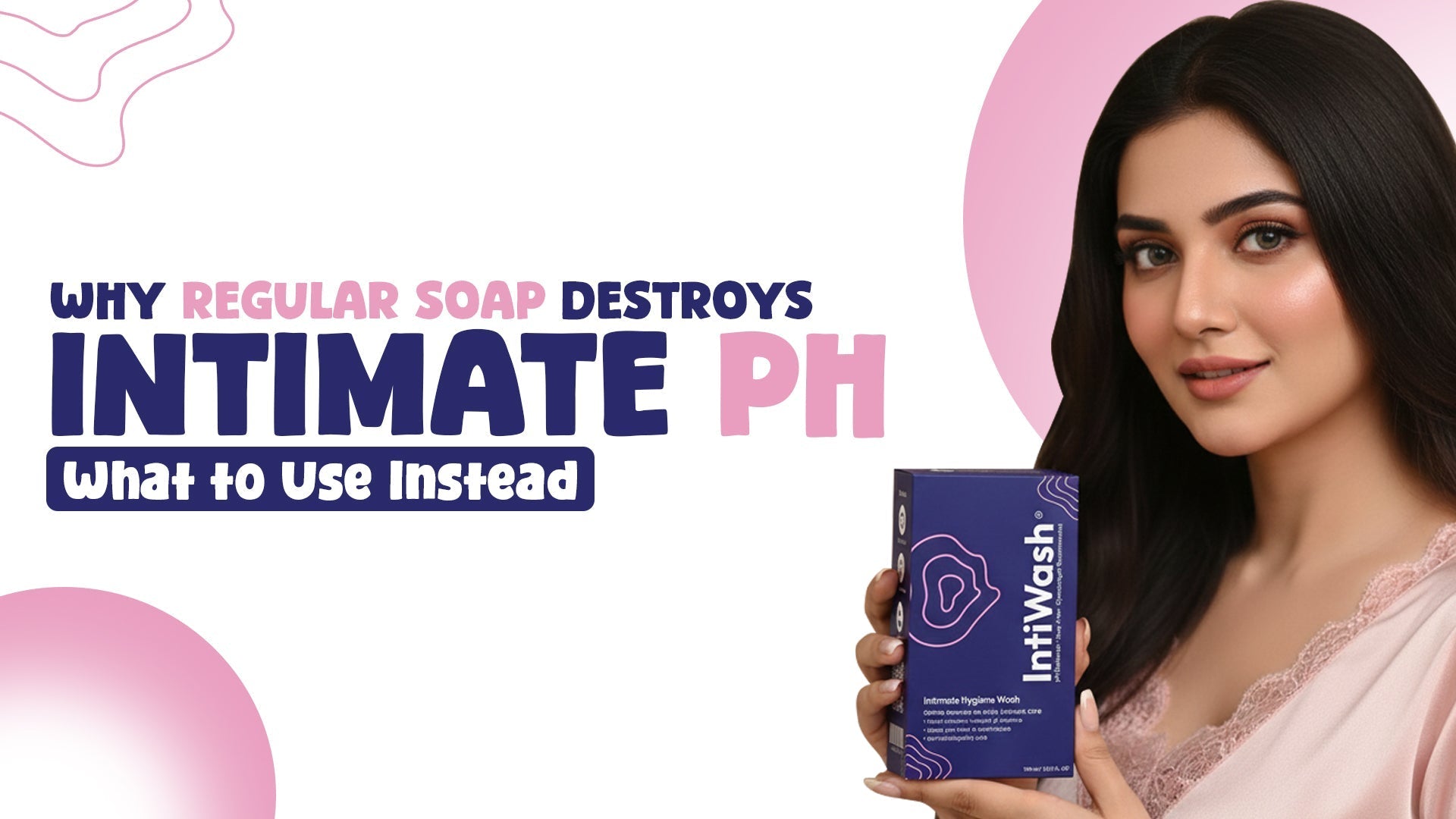
The MomDaughts Intiwash is formulated at pH 3.5 with lactic acid, the same acid Lactobacillus bacteria produce naturally. It is soap-free, completely fragrance-free, and designed for external daily use. It cleans without disruption and without the need for any of the chemicals in standard soaps that are not appropriate for the intimate area.
Who Is Most Affected
All women who use regular soap on the intimate area are affected to some degree. The impact varies by frequency, by the specific product, and by individual microbiome resilience. However, certain groups experience faster and more noticeable consequences.
Women with recurring BV or yeast infections despite maintaining otherwise good hygiene should consider soap pH as a contributing factor before concluding there is an underlying medical condition driving recurrence.
Women who notice persistent dryness or sensitivity despite drinking adequate water and using moisturiser elsewhere are often experiencing chronic product-related disruption rather than a separate dermatological condition.
Women who use pads or period underwear for extended periods, particularly during hot Pakistani summers, face additional moisture and occlusion stress on the intimate environment. Adding alkaline soap to that combination increases the cumulative disruption.
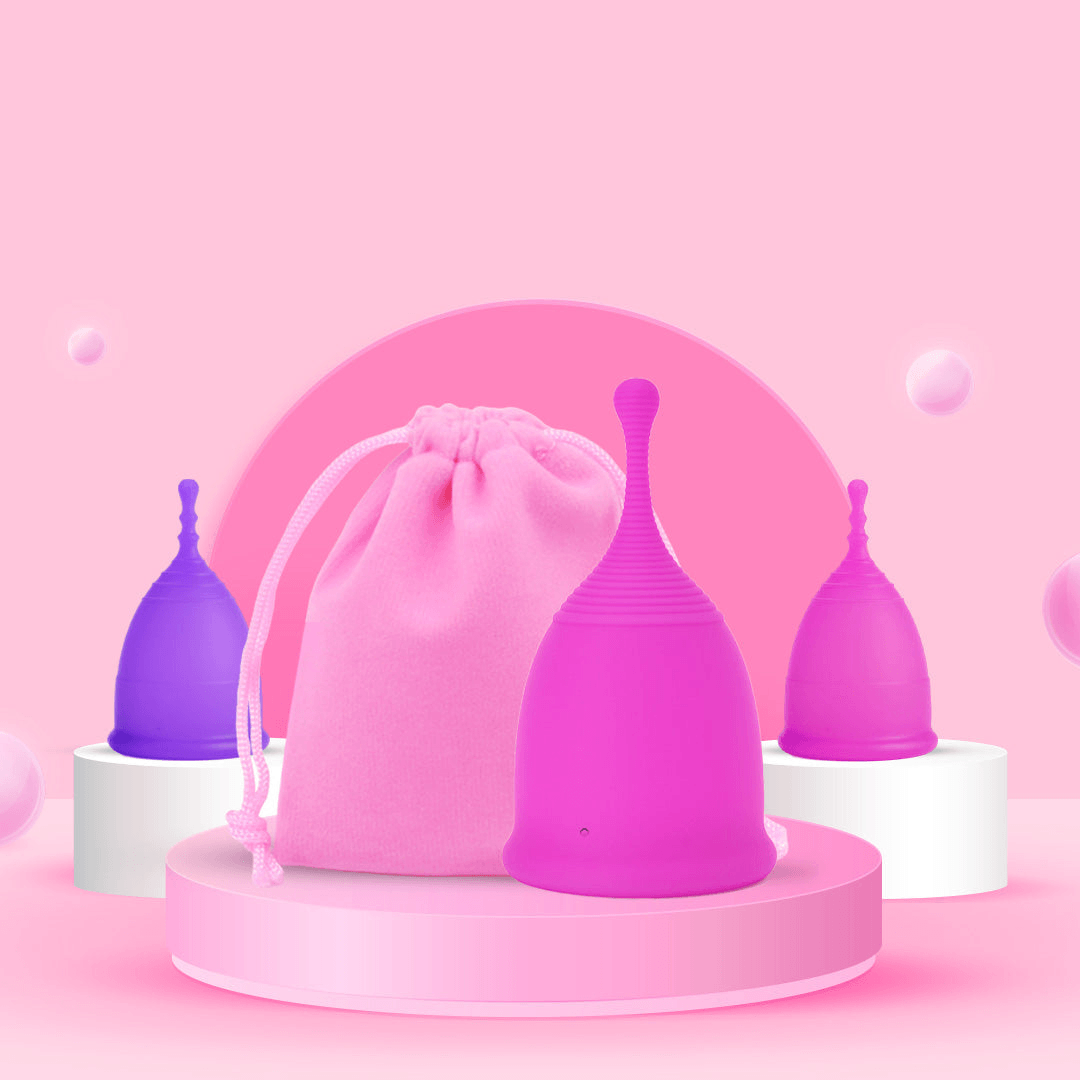
Cup users benefit particularly from pH-matched intimate wash. During menstruation the intimate area is more active, blood temporarily alters the local pH, and any product that further disrupts the environment creates more potential for recurrence of conditions that make cup use less comfortable.
Correct Use of Intimate Hygiene Wash
Apply to the external vulva only. Never internally. The vagina is self-cleaning and does not need washing of any kind. Cleaning internally disrupts the vaginal environment directly and is the cause of the most severe pH disruption cases.
Use hands, not a washcloth. Washcloths harbour bacteria and introduce unnecessary friction to sensitive tissue.
Wash front to back, from the vulva toward the anus. This prevents bacteria from the anal area being moved forward toward the vaginal opening.
Once daily during a shower or bath is appropriate for most women. Over-washing, even with the correct product, strips protective moisture and can disrupt the surface microbiome faster than it regenerates.
At MomDaughts, we believe women should understand the science behind their daily routine. Confidence in every cycle.