In a world where sustainability is becoming increasingly important, using period cups for your period care routine can be a game-changer. Not only do they offer an eco-friendly alternative to disposable products, but they also provide a comfortable and cost-effective solution. If you're considering making the switch, here's everything you need to know to get started.
Why Choose Period Cups?
Eco-Friendly Choice
Period cups are reusable, which means they significantly reduce the waste associated with traditional period products like tampons and pads. On average, a single period cup can last up to 10 years with proper care, sparing the environment from thousands of discarded items. By opting for a reusable cup, you're contributing to a greener planet.
Cost-Efficient
While the initial investment in a period cup might seem higher than a box of tampons, the long-term savings are undeniable. Rather than buying monthly supplies, a one-time purchase can last for years, saving you money over time.
Safety and Comfort
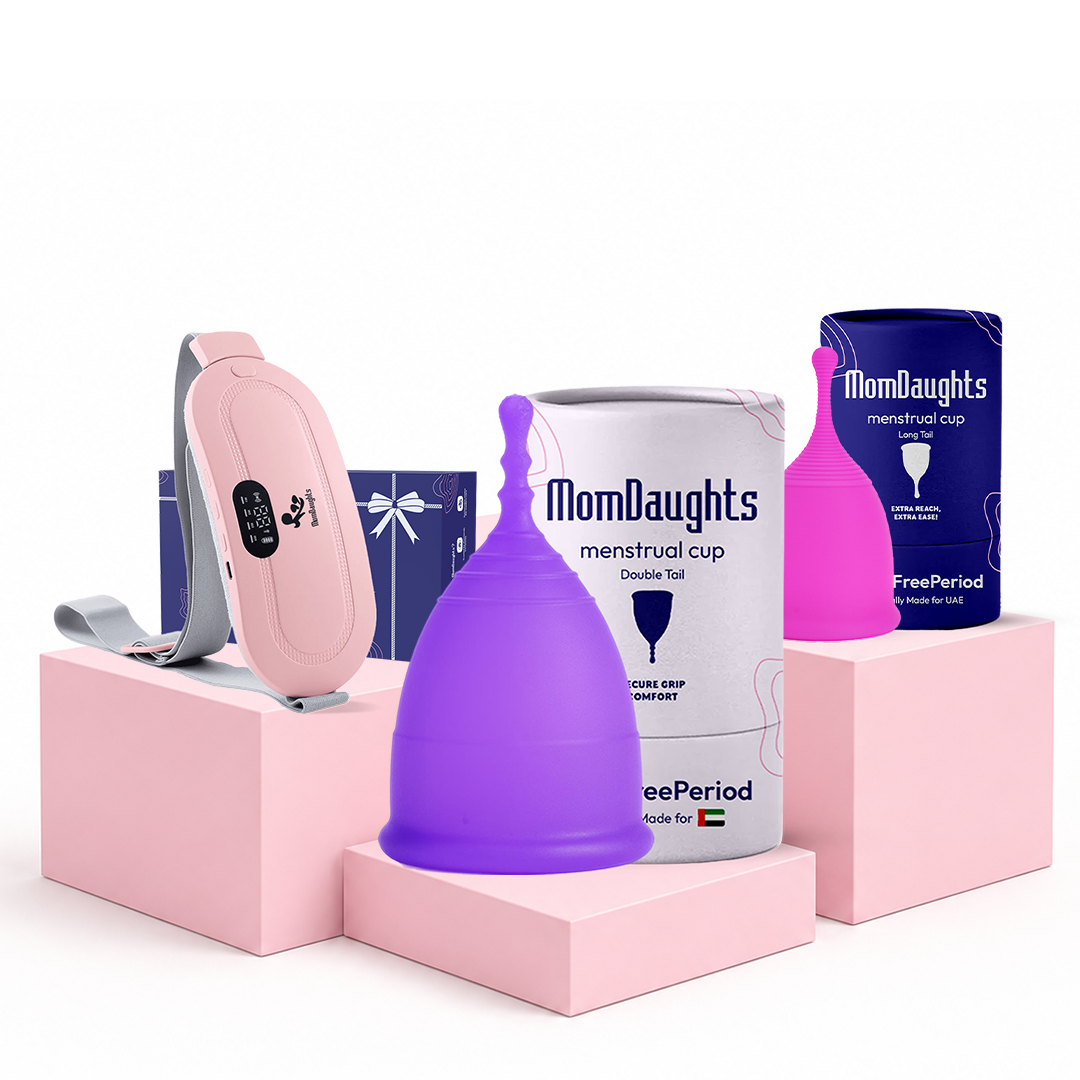
Made from medical-grade silicone, period cups like the MomDaughts' Double Tail Menstrual Cup and Short Tailed Menstrual Cup are safe and comfortable to use. They are designed to fit snugly and collect menstrual flow without leakage while allowing you to maintain your usual activities.
Getting Started with Period Cups
Choosing Your Cup
The first step in incorporating period cups into your routine is selecting the right one. Factors like personal comfort, flow levels, and fit are important. MomDaughts offers a range of options to suit different needs, including the Collapsible Menstrual Cup With Cute Storage Case. It's perfect for those who prioritize convenience and portability.
Proper Care and Maintenance
Taking care of your period cup is crucial to ensure longevity and hygiene. Rinsing it with water and mild soap after each use is typically sufficient. For a deeper clean at the end of your cycle, consider using the Foldable Sterilizer Cup. This tool is convenient for hassle-free sterilization, ensuring your cup is ready for the next cycle.
A Seamless Transition
Switching to a period cup may take a couple of cycles to get accustomed to. However, many find the comfort and peace of mind worth the initial learning curve. The flexibility to engage in various activities, from swimming to running, without worry is a boon for active lifestyles.
Explore More
If you're intrigued by incorporating period cups into your period care routine, check out the Menstrual Collection for a variety of options tailored to individual needs.
By choosing period cups, you're not only taking a significant step toward more sustainable living but also enhancing your period experience with comfort and convenience. For more period care tips and products, visit MomDaughts.
Remember, making informed choices about period care can empower you and the planet!