We have seen women discover the menstrual disc after struggling with cups for months, and switch within one cycle. We have also seen women who never liked cups take to the disc immediately. The two products look similar from the outside but work completely differently inside the body. This article explains exactly what a menstrual disc is, how it works, and who it is actually designed for.
What a Menstrual Disc Is
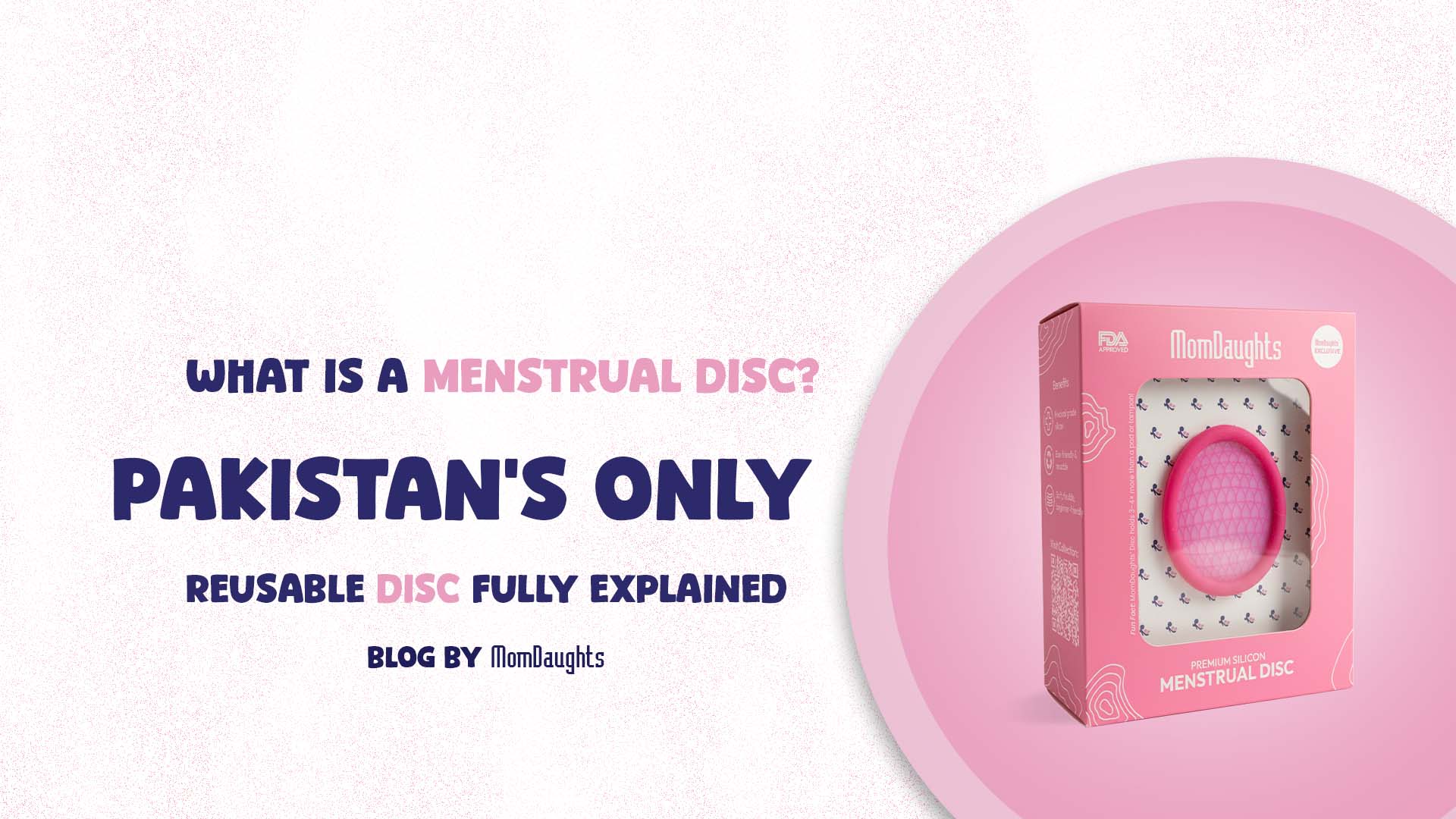
A menstrual disc is a flat, shallow, bowl-shaped period product made from medical-grade silicone. It collects menstrual fluid rather than absorbing it, making it reusable, eco-friendly, and safer for the body than disposable products containing synthetic fibres or chemicals.
The key difference from a menstrual cup is not just shape. It is placement. While a cup sits low in the vaginal canal and holds itself in place using light suction against the vaginal walls, a disc sits significantly higher, in a part of the anatomy called the vaginal fornix, directly below the cervix. It is held in place not by suction but by the pubic bone, which anchors its front rim securely.
This difference in position and mechanism is what gives the disc its unique advantages, and what makes it the better choice for certain women.
How the Disc Works: The Anatomy Explained
The vaginal fornix is the wider, arched space that surrounds the base of the cervix. According to Healthline, it is where the vaginal canal meets the cervix, and it is naturally roomier than the vaginal canal below it.
When you insert a menstrual disc, you pinch it in half, guide it back and downward into this space, and tuck the front rim up behind the pubic bone. Once in place, the disc opens to conform to the natural shape of your fornix and sits like a shallow bowl collecting flow directly at the cervix.
Because the vaginal fornix contains fewer nerve endings than the lower vaginal canal, research and clinical observation from Flex suggest this is one reason many users report that discs feel more comfortable to wear, particularly in the first few cycles of learning.
Key Features of the MomDaughts Menstrual Disc
The MomDaughts Menstrual Disc is made from ultra-soft, medical-grade silicone with a flat-fit design built for all-day comfort. Here is what it offers:
Up to 12 hours of leakproof protection. The disc is designed to be worn throughout the day, overnight, and during physical activity without needing to be changed.
No suction. The disc is anchored by your pubic bone, not by the vaginal walls. This means there is no pressure on the vaginal canal, no suction to break during removal, and no discomfort from improper sealing that cup users sometimes experience.
Wearable during intimacy. Because the disc sits above the vaginal canal, behind the pubic bone, it does not interfere with penetrative sex. This is a feature exclusive to menstrual discs and not available with any cup or tampon.
Anti-spill design with a grip-friendly notch. Removal is guided by a notch built into the rim, which reduces the messiness that comes with first-time disc use.
Medical-grade silicone throughout. The material is biocompatible, hypoallergenic, BPA-free, and safe for repeated internal use. Clean with warm water and mild fragrance-free soap between uses. Sterilize by boiling for 3 to 5 minutes at the end of each cycle. Store in the breathable pouch provided.
Menstrual Disc vs Menstrual Cup: The Real Differences
Both products collect menstrual flow internally and are made from medical-grade silicone. Beyond that, they are quite different in how they work and who they suit.
|
Feature |
Menstrual Disc |
Menstrual Cup |
|
Placement |
Vaginal fornix, below cervix |
Vaginal canal, lower position |
|
Held in place by |
Pubic bone |
Light suction against vaginal walls |
|
Suction |
None |
Yes |
|
Capacity |
Higher, typically 30-61 mL |
Typically 20-40 mL |
|
Wearable during intimacy |
Yes |
No |
|
Sizing |
More universal, fornix is similar across anatomies |
Multiple sizes needed, varies by anatomy |
|
IUD compatibility |
Safer, no suction risk |
Use with caution, suction may shift IUD |
|
Comfort |
Fewer nerve endings in fornix area |
More nerve endings in vaginal canal |
|
Learning curve |
Moderate, requires reaching further |
Moderate, requires correct fold and seal |
Research cited by Flex found that menstrual discs have the highest capacity of any period product tested, averaging 61 mL compared to 20 to 50 mL for tampons, pads, and cups. For women with a heavy flow, this significantly reduces the number of changes needed per day.
Who the Menstrual Disc Is Best For
Women Who Tried Cups and Found Them Uncomfortable
Cup discomfort usually comes from two sources: suction pressure on the vaginal walls, or difficulty achieving the correct seal. Discs eliminate both. There is no suction and no seal to worry about. The disc rests passively in the fornix, held by anatomy rather than pressure.
Women With an IUD
Menstrual cups carry a small but documented risk of shifting or dislodging an IUD because of the suction created during removal. Discs carry no such risk. They use no suction and sit higher than where IUD strings typically sit in the vaginal canal. According to Hello Period, for IUD users a disc is the recommended internal collection option.
Women Who Want Period Intimacy Without Mess
This is the most frequently asked question about discs from Pakistani women who discover them. Because the disc sits above the vaginal canal, behind the pubic bone, it is out of the way during intimacy. The MomDaughts disc is specifically designed for this use and confirmed safe to wear during intercourse.
Women With Heavy Flow
The higher capacity of a menstrual disc means less frequent changes on heavy days. For working women, students, or anyone who cannot access a bathroom easily for 8 to 12 hours at a stretch, this is a practical advantage over tampons, pads, and even most cups.
First-Time Internal Product Users
Discs are more forgiving than cups for anatomy-related fit issues. As period education specialists at Period Nirvana note, the vaginal fornix is similar across most anatomies, which means almost all discs will fit most people adequately. Cups require sizing based on cervix height, flow volume, and pelvic floor tone. Discs remove most of that complexity.
How to Insert the MomDaughts Menstrual Disc
-
Wash your hands thoroughly before handling the disc.
-
Pinch the disc in half so it forms a narrow shape roughly the size of a tampon.
-
Hold the pinched disc with the catch, the soft middle, facing downward like a bowl.
-
Find a comfortable position, sitting on the toilet or with one leg raised.
-
Insert the disc back and downward at an angle toward your tailbone, pushing it as far back as it will go.
-
Once the back rim is in the posterior fornix, use one finger to tuck the front rim up and behind the pubic bone.
-
You should not feel it when it is correctly placed.
If the disc feels uncomfortable, it has not been tucked behind the pubic bone fully. Remove it gently, reinsert, and check the tuck.
How to Remove It Cleanly
Removal is the part that takes the most practice with a disc. Keep it as level as possible to avoid spilling.
-
Sit on the toilet before attempting removal.
-
Insert your index finger and hook it under the front rim of the disc.
-
If you cannot reach it easily, bear down with your pelvic muscles as if going to the bathroom. This lowers the disc toward the vaginal opening.
-
Slide the disc out horizontally, keeping it level.
-
Empty into the toilet, rinse with warm water, and reinsert or store.
The grip-friendly notch on the MomDaughts disc is designed specifically to assist with this step, making it easier to locate and hook the rim on the first try.
Disc and Cup: Can You Use Both?
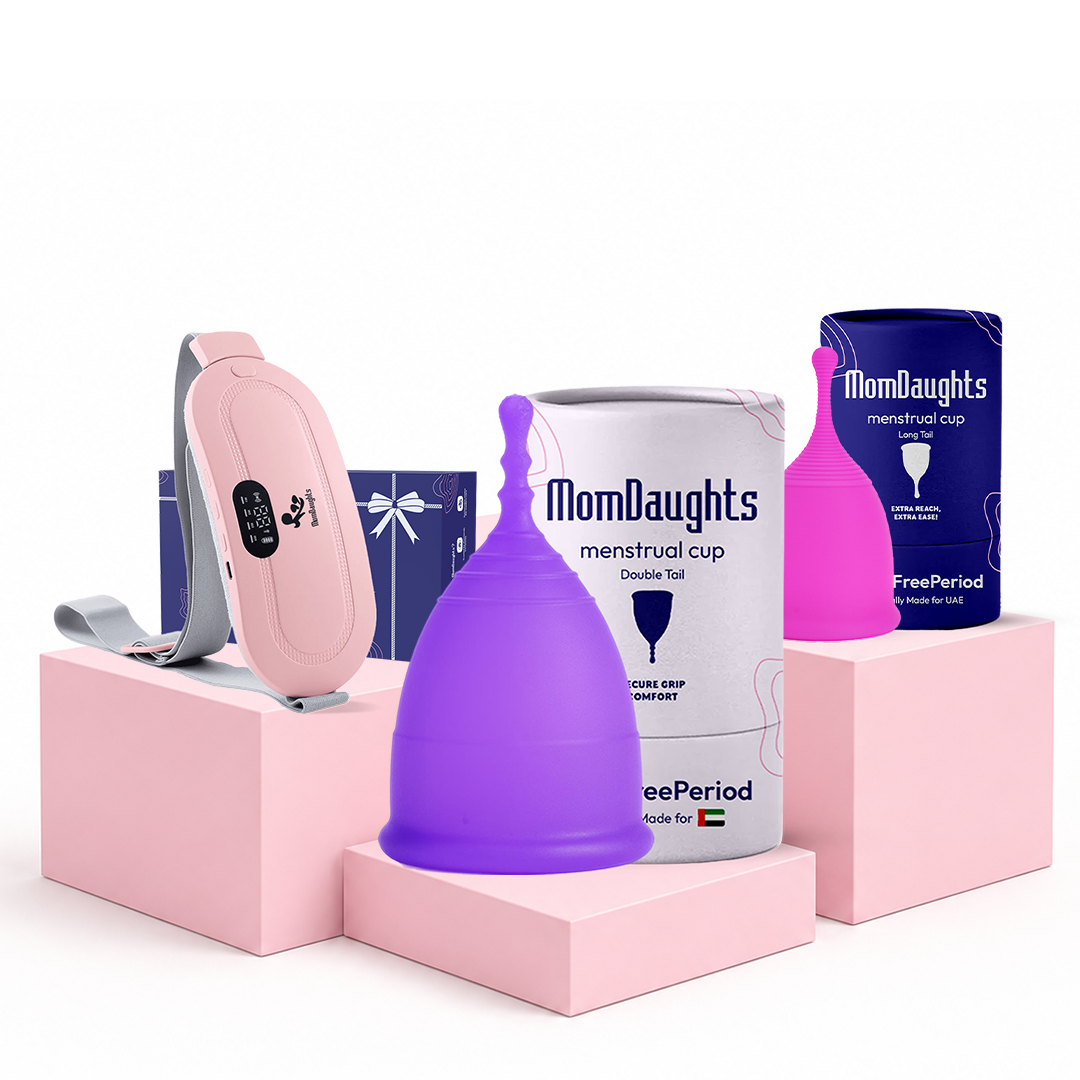
Yes. Many women use the disc on heavier days for its higher capacity and comfort, and switch to a cup on lighter days when a smaller, lower-profile product suits them better. The menstrual care collection includes both options, and pairing them with the Softfit Lubricant makes insertion of either product noticeably easier, especially during the learning phase.